


 Settings
 Gift Card
 Blog
Blog Locate Us
 Partnership

What is Omakase? A Clear Guide to the Japanese Dining Experience
Japanese cuisine has a way of feeling precise yet comforting at the same time. Clean flavors, seasonal ingredients, and careful technique come together in a way that never feels heavy. This is where omakase begins, with simple dishes that rely on skill, timing, and trust rather than complexity.
What is the meaning of Omakase?
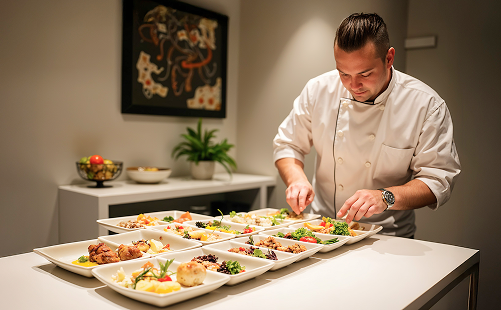
Omakase means “I leave it up to you.” The chef selects and prepares each course based on seasonality, ingredient quality, and guest preference, creating a meal that flows in a deliberate, balanced sequence.
At its core, what is omakase comes down to:
- Seasonal sourcing → peak seafood, often delivered the same day.
- Technique → precise knife work, controlled rice seasoning
- Observation → the chef adjusts portions and pacing in real time.
Ingredient + Technique = Result
- Otoro + clean slice = soft, rich texture
- Warm rice + cool fish = balanced bite
- Light soy glaze + fatty fish = controlled umami
Each step has a reason. Nothing sits on the plate without intent.
Why Omakase Feels So Special?
Omakase feels special because it removes choice overload and replaces it with a guided sequence in which each course builds on the last, with precise timing, temperature, and ingredient quality.
What you notice while eating:
- The rice is warm, not hot.
- The fish tastes clean, not masked with sauce.
- Portions feel small but satisfying across the meal.
- Each piece arrives when you are ready for it.
This pacing matters. A good chef spaces richness and freshness so your palate stays sharp.
Omakase at Home: How a Private Chef Executes it
An omakase chef at home prepares each course live, controls timing and temperature, and adjusts the menu based on guest response, creating a more precise experience than standard dining.
What happens behind the scenes:
- Fish selection: Tuna cuts, scallops, uni, seasonal white fish
- Rice prep: Short-grain rice seasoned with vinegar, sugar, and salt
- Tools: Long slicing knife for sashimi, wooden bowl for rice mixing
- Flow: 10 to 16 courses served one at a time
A private setup allows tighter control. Rice and fish are served immediately, which shows in texture.
Classic Omakase Courses with Real Detail
1) Zensai (Starter)
Zensai starts the meal with a light, seasonal dish that prepares the palate without leaving you feeling full.
Example: Spinach with Sesame Dressing (Goma-ae)
- Ingredients: spinach, sesame paste, soy sauce, dashi
- Method: blanch, cool, squeeze, dress
- Result: light, nutty flavor that opens the meal
2) Sashimi
Sashimi focuses on the quality of raw fish, where cuts and freshness define the experience.
Common selections:
- Hirame for a clean, subtle taste
- Akami for a deeper, lean flavor
- Otoro for richness and fat
Cut thickness varies by fish. That small detail affects texture more than most people expect.
3) Nigiri (Core of Omakase)
Nigiri combines seasoned rice with sliced fish, shaped by hand to balance texture, temperature, and flavor in one bite.
Examples:
- Shima-aji with ginger for brightness
- Ebi with light salt to highlight sweetness
- Anago with glaze for a soft, rich finish
Rice matters as much as fish. If the rice is off, the entire bite falls apart.
4) Yakimono (Grilled Dish)
Yakimono adds heat and depth through controlled grilling, often used to balance the lighter raw courses.
Example: Miso Black Cod
- Ingredients: black cod, white miso, mirin, sake
- Method: marinate, then grill gently
- Result: caramelized surface with a soft interior
The marinade slightly breaks down the fish, giving it that signature texture.
5) Closing Courses
The meal ends with a light soup and a slightly sweet omelet to reset the palate.
- Miso soup with tofu or seaweed
- Tamago with a soft, layered texture
These dishes signal the end without feeling heavy.
Reality Check: Takeout vs Omakase at Home
| Category | Standard / Takeout Option | Premium Professional Service |
| Prep and Cleanup | 30 to 60 minutes total | No effort for host |
| Ingredient Quality | Pre-cut, variable | Fresh, high-grade sourcing |
| Temperature | Often inconsistent | Controlled per serving |
| Customization | Fixed | Adjusted live |
| Course Flow | All at once | One course at a time |
| Skill Level | Standard kitchen | Trained chef execution |
Key difference: timing and control. That is where most of the value sits.
How to Set Up an Omakase Table at Home
An omakase table setup is simple, keeping focus on the food and the chef. Keep it practical:
- Seat 4 to 8 guests
- Use a clean, uncluttered table or counter.
- Keep lighting soft but clear on the prep area.
- Serve one piece at a time.
Eat each piece soon after it is served. Waiting changes texture.
FAQ (Direct Answers Only)
Omakase is when the chef chooses and prepares your meal.
Typically, you get 10 to 16 sequential courses.
Yes. You get better control of timing, temperature, and customization.
The vinegar, sugar, and salt balance defines each bite.
No. A clean setup and good timing matter most.
The Final Bite
Omakase stays with you because every detail is intentional, from the way the fish is cut to the moment it reaches your plate. You are not managing the meal or making choices along the way. You are simply present, tasting each course as it comes. This is what makes the experience feel complete and worth repeating.




 Home
Home
 Chefs
Chefs
 Chats
Chats
 My Order