


 Settings
 Gift Card
 Blog
Blog Locate Us
 Partnership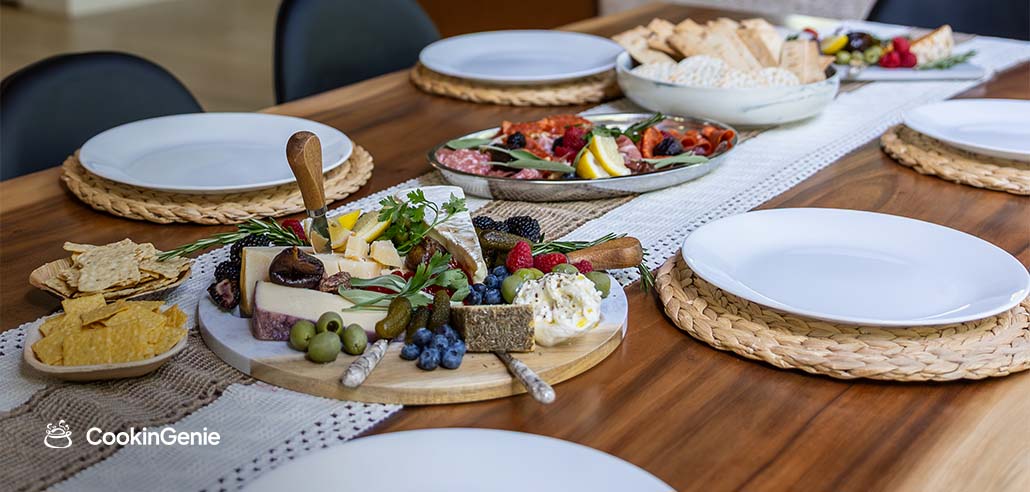

From Board to Table: How a Private Chef Elevates Charcuterie into a Fine Dining First Course
Most people picture charcuterie as a long wooden board with folded salami, cubes of cheese, crackers in the corners, and a touch of something sweet in a tiny bowl. This abundant approach suits parties.
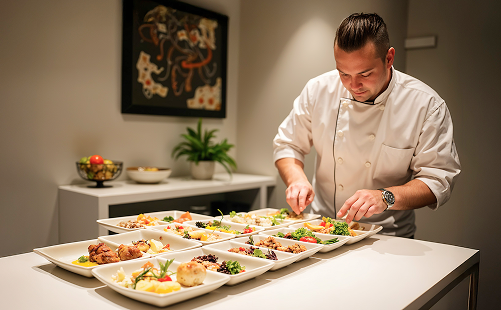
Private dining, however, takes charcuterie in a different direction. When a chef builds a customized course for an intimate dinner, the board stops behaving like background food and becomes the first signal of the evening. The pacing, portions, and the way guests interact with the table change. That is where charcuterie becomes far more interesting.
The Charcuterie Board Usually Disappears First
At most dinner parties, guests gather around the charcuterie before settling into the evening. Someone reaches for the prosciutto while holding a wine glass. Another asks about the soft cheese. Someone else tears bread before the host even sits down. Private chefs notice these moments carefully, which is why many luxury dining experiences begin with a lighter charcuterie presentation rather than an oversized grazing setup, and why the chef wants guests engaged immediately. Instead of crowding the table with 10 cheeses and 6 cured meats, the course is edited.
Fine Dining Charcuterie is Built Like a Menu
This is usually the biggest difference between a standard charcuterie platter and a chef-driven one.
If the dinner later includes rich short ribs or handmade pasta, the opening charcuterie course stays brighter and sharper. You may see pickled grapes, citrus zest, whipped goat cheese, or lightly cured green strawberries. If seafood is coming next, the chef may lean toward softer preparations like:
- Fresh ricotta.
- Speck sliced paper-thin.
- Olive oil with cracked pepper.
- Stone fruit.
Even the salt level adjusts as the evening progresses; that level of editing makes the experience feel expensive without trying too hard.
The Best Boards Approach this Course Differently
Most boards get built to look generous. Items are added until the board looks full, crackers are tucked into the corners, a honey pot appears somewhere, and the result reads as abundant. There is a point where charcuterie starts looking more decorative than edible.
Private chefs avoid that. Luxury presentation is still important, but guests should feel comfortable reaching for everything on the table naturally. Some of the strongest fine dining charcuterie setups are the simplest visually.
- A wedge of triple cream brie was left partially open instead of fully cut.
- Fresh honeycomb is still attached to part of the frame.
- Roasted grapes are collapsing slightly from the heat.
- Slices of jamón are folded loosely instead of sculpted into roses.
Those small imperfections make the course feel alive.
Warm Components Change the Entire Experience
One skill that private chefs showcase exceptionally well is introducing temperature contrasts. Traditional charcuterie boards typically remain cold throughout. In fine dining, a charcuterie course may feature warm grilled bread, baked brie, or hot brown butter poured over toasted nuts. Even something simple like roasted figs can completely transform the board.
That transition is subtle, but it changes the atmosphere almost immediately.
The Season Should Drive the Board
Spend a few minutes looking at charcuterie online, and the same board repeats endlessly, same salami roses, same layout, same items in January as in July. A summer dinner and a winter dinner should open with completely different courses, because the ingredients available and what a guest’s body genuinely wants in each season are different. When the board reflects the time of year rather than a visual template, it feels considered and luxurious, even when guests cannot explain exactly why.
Seasonal Charcuterie in Practice
Spring and Summer:
- Burrata with sea salt and torn basil.
- Prosciutto with ripe peach or cantaloupe.
- Young soft cheeses with herb oil and edible flowers.
- Lightly pickled cucumber or radish for acidity.
Autumn and Winter:
- Aged Comté or Manchego with quince paste or fig mostarda.
- Coppa with roasted chestnuts and mustard.
- Baked brie with rosemary, honey, and walnuts.
- Spiced marcona almonds and dried dates alongside mineral-forward cured meats.
Guests Always Remember this Board
A private chef builds charcuterie to create one of those moments, and when it lands, guests carry that attention straight through every course that follows. People rarely remember every component of a multicourse dinner; they remember moments.
Party Board vs Private Dining Board
| Party Board | Private Chef Board | |
| Volume | Generous and full | Edited to what earns its place |
| Temperature | Cold throughout | Warm and cold working together |
| Cheese | Wide variety | Two or three chosen around the menu |
| Meat presentation | Stacked or piled | Sliced fine or folded loosely |
| Accompaniments | Crackers and jam | Seasonal, sometimes house-made |
| Arrival | Everything at once | Warm elements staggered through the course |
| Visual style | Styled and full | Approachable, slightly imperfect |
Conclusion
Charcuterie keeps earning its place in fine dining because it sits right where comfort and craft overlap, and guests respond to that before a single word gets said about what they are eating. A private chef taking this course seriously with the goal of slowing the room down, setting a tempo, and giving the evening a foundation to build from. When it works, every course that follows feels like it was always going to land exactly that well.
Frequently Asked Questions
The key difference is intention. On a private dining board, every item is selected to enhance flavors and prepare guests for upcoming courses, rather than just filling space or looking impressive.
A private dining charcuterie course typically has two or three cheeses with clear differences: one soft and fresh, one aged and firm, and sometimes a third with a distinctive flavor. Using more than three can turn the course into a sampler, which can distract from its purpose as a starter.
Cured meats like bresaola, jamón Ibérico, speck, and coppa work best. They add complexity without overpowering later dishes. Slice them very thin to emphasize texture and keep the board balanced.
A private chef matches the board to the main courses. Rich mains need acidity and freshness upfront, while lighter seafood mains call for softer, subtler flavors. The board should set the right tone for the meal.
Serving too much charcuterie too early is a common mistake. If guests fill up on the first course, main dishes lose impact and pacing becomes difficult. Limiting the first course allows later dishes to shine.




 Home
Home
 Chefs
Chefs
 Chats
Chats
 My Order