


 Settings
 Gift Card
 Blog
Blog Locate Us
 Partnership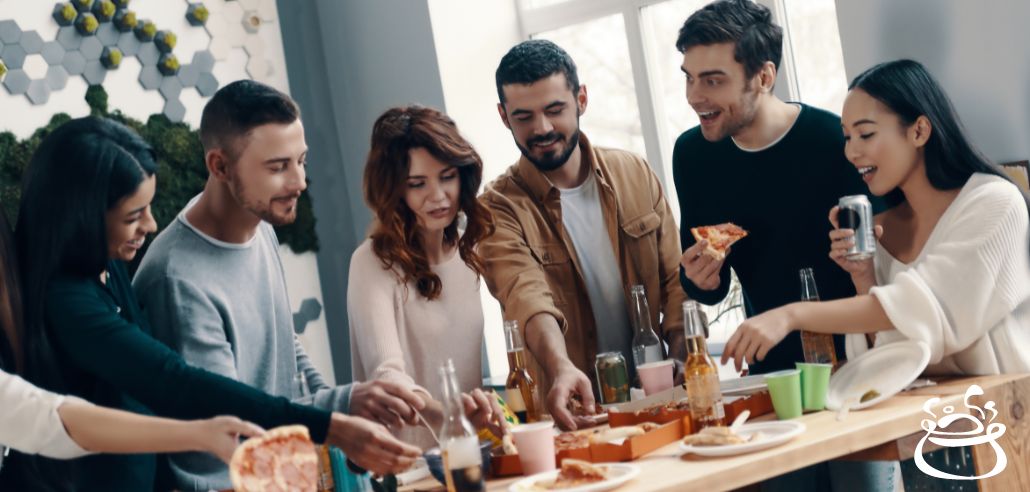

5 Tips to Plan a Perfect Get-Together
TL;DR
- A defined theme simplifies every hosting decision, from the menu to the table setting, before planning even begins
- Collecting guest dietary needs at the RSVP stage is what makes a menu work for everyone, not just most people
- Lighting and music are the first things guests experience and the fastest way to set the right tone
- A simple drink formula, two per guest for the first two hours, prevents both shortage and waste
- Handing the food to a private chef is the one decision that lets a host actually enjoy their own party
Hosting reveals your values. The care you take when planning a get-together sends a message to guests before they arrive. Yet planning a get-together often pulls hosts away from the very people they’ve invited.
Whether hosting 10 or 20 people, a successful get-together event requires strategic thinking.
This guide moves beyond logistics into the art of hosting with intention.
Tip 1: Atmosphere and Aesthetic Approach
The atmosphere of your gathering determines whether guests relax. A cohesive theme unifies your space, food, and energy.
Backyard barbecues celebrate casual comfort. Vintage dinners invoke intimate elegance. International nights spark curiosity. Seasonal celebrations honor the moment.
Communicate your atmosphere in invitations. When guests understand your vision, they arrive prepared and dressed appropriately.
The hosting style you choose determines your entire experience at the get-together. Present and engaged, or stressed in the kitchen?
Tip 2: Document Dietary Needs and Plan Around Them
Thoughtful hosts document dietary needs before planning a get-together. This step separates memorable gatherings from stressful ones.
Ask individually about vegetarian, vegan, gluten-free, nut allergies, kosher, halal, and other preferences. Write everything down.
Small groups (8-12 guests) allow flexibility. Cook a main and multiple sides that accommodate most patterns.
Larger gatherings multiply complexity. With 15-20 guests, coordinating multiple restrictions while cooking can become overwhelming.
Professional chefs trained in dietary accommodation build menus where every guest receives tailored food. Guests who feel thoughtfully accommodated relax completely, shifting the energy of your gathering.
Tip 3: Menu Planning and Choosing Your Cuisine
Menu curation deserves dedicated planning as the food choices set the tone for the gathering.
Choose cuisines that excite you.
Mediterranean flavors? Thai dishes? French classics? Your enthusiasm infuses the event with energy.
Match cuisine to atmosphere. Sophisticated dinners suit elegant French cuisine. Casual gatherings welcome bold grilling. Cultural celebrations showcase diverse styles.
Consider serving style. Family-style encourages sharing. Plated dishes allow customization. Buffet-style works for larger groups.
Make sure you think about courses and timing. Simple gatherings feature appetizers, one main dish, and dessert. Professional chefs excel at menu curation and timing precision, ensuring every course arrives perfectly.
Tip 4: Best Ways to Create Ambiance with Lighting and Music
Ambiance makes the guests feel welcomed. Lighting and music drive atmosphere more than anything else.
Layered lighting with string lights, lanterns, and candles creates intimacy. Warm outdoor lighting suggests celebration.
Adjust lighting to your atmosphere
- Formal dinners need lower light
- Casual gatherings welcome brightness
- Garden settings glow differently at sunset
Music sets emotional tone. Curate playlists matching your atmosphere. Background music enhances interaction.
Consider overlooked details
- Fresh flowers
- Quality glassware
- Cloth napkins
- Place cards with guest names
- A welcome drink upon arrival
Tip 5: Hiring a Private Chef for Your Get Together
Food planning decides how present you can be as a host. This choice matters more than any other decision.
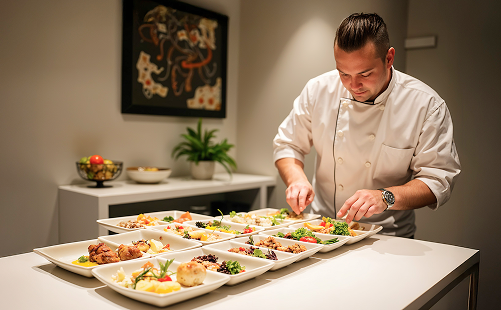
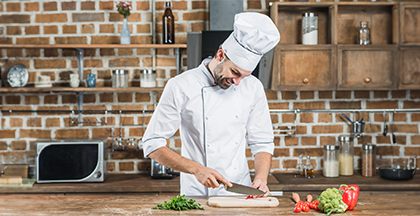
- Small Gatherings (Up to 8 Guests): A private chef delivers a fully personalized dining experience with custom menu planning based on your preferences and dietary needs, followed by in-home execution where the chef shops, cooks, plates, and cleans up, letting you stay completely present with your guests.
- Medium Gatherings (8–15 Guests): As guest count increases, a private chef ensures structured service and consistency across dishes, managing timing, preparation, and multi-course flow while accommodating varied preferences, all handled end-to-end without host involvement.
- Family & Relative Gatherings (15–20 Guests): For larger home gatherings, a private chef removes operational complexity by taking over grocery sourcing, full meal preparation, service, and post-event cleanup, ensuring a seamless, restaurant-quality experience at home without logistical strain.
Your Hosting, Your Happiness
Planning a get-together works best when you approach it as an expression of how you want to live. Not an obligation. Not performance. But it is an intentional creation of space where meaningful connection happens.
Each tip moves you toward this goal. Atmosphere reflects values. Dietary coordination honors guests. Menu curation shows sophistication. Ambiance welcomes people. Your hosting approach determines whether you experience the gathering or execute it.
The best version of hosting is when you’re fully present. Enjoying conversations. Engaging with guests. Feeling like a host rather than a server.
For gatherings of 15 or more guests, professional culinary expertise transforms everything. The food becomes exceptional. Your guests feel celebrated. You get to actually host.
Explore private chefs who specialize in the cuisine and customization your get-together event deserves.
Questions Before Your Next Gathering
Most homes comfortably accommodate 15-25 guests. Smaller groups feel more intimate. Larger groups require additional space and logistical coordination. Consider your square footage, seating capacity, and kitchen size when planning your guest count.
For gatherings with professional culinary services, book 2 to 4 weeks in advance. This timeline helps the chef understand your vision, design a custom menu tailored to your guests’ dietary needs, and source premium ingredients. Rush bookings may face limited chef availability.
Professional private chefs typically work with groups of 2 or more guests, though they excel with groups of 15-20. At smaller scales, the service still delivers exceptional food and complete kitchen management. For larger events (20-plus guests), professional culinary services become increasingly valuable as complexity grows.
Professional private chefs are trained to work in home kitchens of all sizes. They arrive prepared with the necessary equipment and understand spatial limitations. They manage grocery delivery, food preparation, plating, service, and complete cleanup in your existing kitchen. No special setup required.
This is a primary strength of professional culinary services. Chefs communicate with each guest beforehand to understand vegetarian, vegan, gluten-free, nut allergies, kosher, halal, and other preferences. They design a custom menu in which every guest receives tailored food, prepared with equal care and presentation. This approach ensures no guest feels excluded or accommodated as an afterthought.
For 20 guests, consider family-style serving that encourages sharing and conversation. One elegant main course, two to three sides, fresh bread, and a signature dessert work well. If managing dietary restrictions yourself becomes complex, professional chefs excel at creating menus that everyone can enjoy.
Hire a private chef when you want to be fully present as a host rather than tied to the kitchen. This typically happens at 15-20 guest gatherings, where managing multiple courses, dietary accommodations, and timing while staying engaged becomes unrealistic. Professional services cost less than restaurant meals yet deliver superior food and presence.
For DIY cooking, plan 4-6 weeks for theme selection, guest confirmation, menu planning, and ingredient sourcing. For professional chef services, 2-4 weeks suffice since the chef handles menu design and sourcing. Dietary coordination should occur 2-3 weeks in advance, regardless of your food-sourcing approach.




 Home
Home
 Chefs
Chefs
 Chats
Chats
 My Order