



 Settings
 Gift Card
 Blog
Blog Locate Us
 Partnership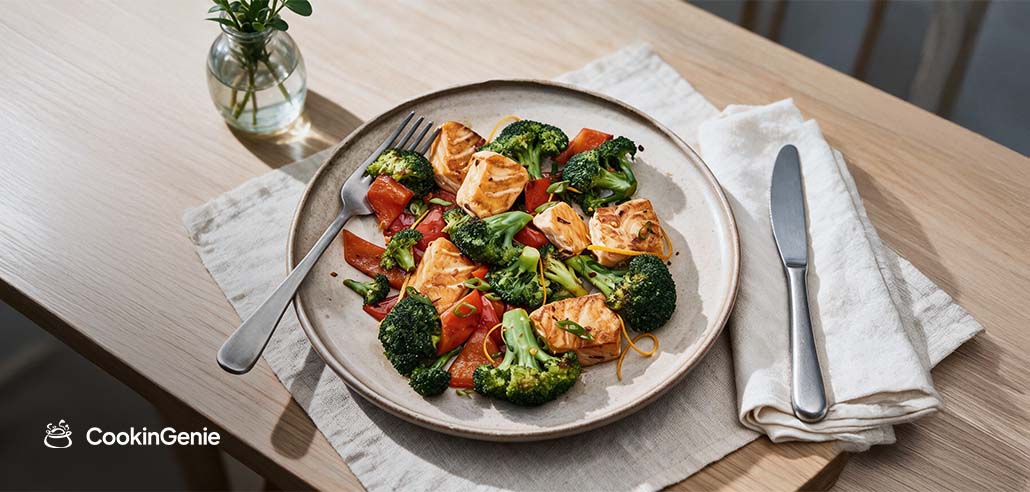

Can a Personal Chef Cook for GLP-1 Medications? Here’s How It Works
Key Takeaways
- Ozempic and Wegovy are semaglutide brands that slow digestion and cut appetite, altering comfortable eating habits.
- A chef creates small, protein-rich, fiber-balanced meals tailored weekly to a client’s specific side effects.
- Chefs carry out medical or dietetic nutrition plans through custom shopping, cooking, and varied menu rotations.
- A daily meal plan, high-protein/fiber menu options, and GLP-1 meal-kit comparisons are provided below.
- All claims cite sources, with clear disclaimers distinguishing medical advice from culinary-specific guidance.
Starting a GLP-1 medication changes something most people never expect to think about twice. And that is the simple act of eating.
Appetite shifts, certain foods stop sitting well, and portions that once felt normal suddenly feel like too much.
A personal chef steps into exactly that gap, whether you are on semaglutide (Ozempic, Wegovy) or another GLP-1 or GIP medication like Mounjaro or Zepbound, turning the guesswork of what to cook and how much into something calm and manageable again.
What Ozempic and Wegovy do in the body
Ozempic and Wegovy are both brand names for semaglutide, a GLP-1 receptor agonist that mimics a gut hormone the body already produces. Semaglutide activates GLP-1 receptors in the stomach, pancreas, and brain, which slows gastric emptying and signals fullness earlier than usual.
Both mechanisms are described in detail in a clinical overview on the NIH’s NCBI Bookshelf. That single mechanism, slower digestion paired with earlier fullness, is the reason eating changes so much after starting the medication, and it is the exact terrain a private chef works in every day.
Why food gets complicated on a GLP-1 routine
Nausea is the side effect people hear about most, and it is common. A clinical overview on the NIH’s NCBI Bookshelf reports nausea in roughly 20% of participants in diabetes trials and closer to 44% of participants in weight-management trials.
Appetite reduction is not a side effect at all, it is the therapeutic effect working as intended, which is exactly why meals need to be smaller and more nutrient-dense rather than simply less frequent.
There is a second, less-discussed concern worth taking seriously. A 2024 systematic review published on PubMed looked at six semaglutide trials totaling over 1,500 participants. The study found that lean muscle mass accounted for a range from nearly 0% up to 40% of total weight lost, with larger trials showing more pronounced lean mass reductions.
In the landmark STEP 1 trial published in the New England Journal of Medicine, participants lost an average of 14.9% of body weight over 68 weeks, compared with 2.4% on placebo.
Losing that much weight quickly, on far less food, is precisely why protein intake and meal quality carry so much more weight than they did before treatment started.
What a personal chef changes for you
This is where day-to-day cooking skill earns its place. A chef planning meal around a GLP-1 routine typically works on a few fronts at once.
None of this requires the chef to diagnose or treat anything. It requires paying close, consistent attention to one person’s changing tolerance, and adjusting the next meal accordingly.
Why physicians, dietitians, and concierges refer clients to a private chef
The Academy of Nutrition and Dietetics is direct about the role registered dietitians play in obesity medication care. It includes helping patients maintain nutritional adequacy, protecting lean body mass, and managing side effects like dehydration and malnutrition.
The chef becomes the hands-on layer underneath a plan someone else has already designed, freeing the medical team to focus on dosing, labs, and progress rather than grocery lists.
What eating on a GLP-1 journey feels like with CookinGenie
Instead of forcing down bland, pre-packaged meal kits when your appetite is low, a personal chef brings comfort, flexibility, and real culinary care straight to your kitchen.
A sample day of GLP-1-friendly meals
This structure, small, high-protein meals spread evenly across the day rather than loaded into two or three large ones, follows the same approach used in the Mayo Clinic Diet’s GLP-1 protein balance sample meal plan, a published resource built for people managing reduced appetite on GLP-1 medications.
| Meal | Focus | Example |
| Breakfast (small) | Protein-forward, low fat | Egg white and spinach scramble with a few berries |
| Mid-morning | Protein reinforcement | Plain Greek yogurt with soaked chia seeds |
| Lunch | Lean protein, gentle fiber | Grilled chicken, quinoa, steamed zucchini |
| Afternoon | Hydrating, anti-nausea | Warm ginger broth with shredded chicken |
| Dinner (small) | Lean protein, low fat | Baked cod, mashed cauliflower, sautéed greens |
| Evening (optional) | Light protein top-up | Protein smoothie with banana and almond milk |
Protein and fiber-forward menu ideas
A note on medical guidance
This article offers general culinary and nutrition information only, and it is not medical advice. Always follow the treatment plan, dosing schedule, and dietary guidance given by a physician, endocrinologist, or registered dietitian.
A personal chef’s role is to support that plan through hands-on shopping, cooking, and menu rotation, working alongside a client’s medical team rather than in place of it.
How this compares with GLP-1 meal-delivery kits
While meal kits offer convenience, they lack the real-time flexibility required to manage the shifting side effects and changing appetites of a GLP-1 routine.
| Feature | Meal Kits | Private Chef |
| Recipe Locks | Standardized weeks in advance | Adapted daily to your tolerance |
| Portioning | Fixed calorie/macro targets | Custom-built for low appetite or high protein needs |
| Side Effect Management | Rigid | Dynamic adjustment for nausea & food shifts |
| The Trade-Off | Lower cost, no relationship required | Higher investment, unmatched real-time personalization |
Working this into a routine
Coordinating groceries, prepping schedules, and adjusting recipes around a GLP-1 routine takes real time, and it is exactly the kind of ongoing, detail-heavy work a private chef is built for.
CookinGenie chefs plan and cook around a client’s medical guidance, current side effects, and taste preferences, so meals stay easy to manage without becoming an extra source of stress on top of the treatment itself.
Booking a consultation is the fastest way to see what a week of meals built around your own routine would look like.
Disclaimer: This content is for informational and culinary purposes only and is not medical advice. Consult your physician or registered dietitian for specific dietary, dosing, and medical guidance. Personal chefs execute existing nutrition plans in coordination with your healthcare provider.
Frequently asked questions
Yes. A personal chef can build high-protein, portion-controlled, appetite-friendly meals designed around a GLP-1 routine, adjusting texture, portion size, and timing to a client’s side effects, always alongside guidance from their physician or dietitian.
Bland, low-fat proteins, well-cooked vegetables, warm broths, and small high-protein bites tend to sit better than greasy, spicy, or heavily processed food. A chef can rotate these options, so meals stay appealing rather than repetitive.
No. A personal chef supports the nutrition plan a physician or registered dietitian has already set. Any changes to dosing, symptoms, or nutrition targets should go through that medical relationship first.
Meal kits offer standardized recipes at a lower price point, prepared in bulk and shipped on a fixed schedule. A personal chef cooks in real time around a specific client’s appetite, tolerance, and side effects on any given day, which tends to matter more in the early months of treatment when those factors shift often.
Yes. Since the relationship is ongoing rather than a one-time order, a chef can rework portion sizes, textures, and ingredients week to week as tolerance builds or a dose changes, in coordination with feedback from a client’s medical team.








 Home
Home
 Chefs
Chefs
 Chats
Chats
 My Order