


 Settings
 Gift Card
 Blog
Blog Locate Us
 Partnership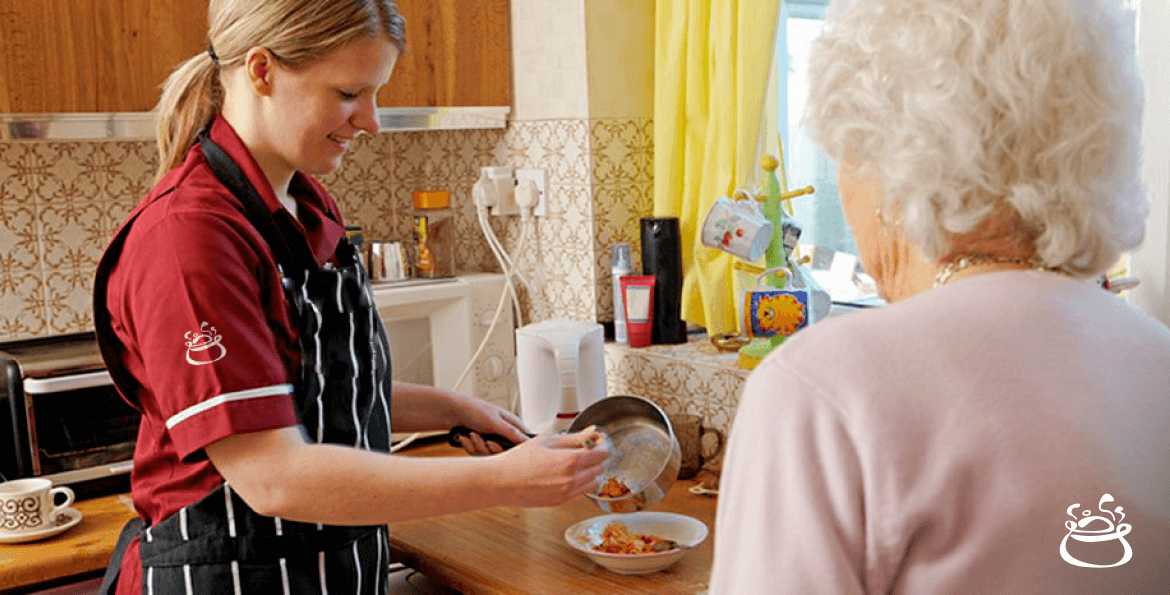

Meal Delivery for Seniors vs. Senior Home Care vs. Private Chefs: Whom to Choose?
TL;DR
- Meal delivery, home care cooking, and private chef services each serve different senior nutrition needs
- Private chef services offer the highest level of personalization for dietary restrictions, health conditions, and taste preferences
- The right choice depends on frequency of need, health complexity, and the level of care the senior requires at mealtimes
- A private chef at home provides fresh, custom-prepared meals with full attention to allergy, dietary, and medical nutrition needs
- For seniors with specific health conditions, always consult a physician or registered dietitian alongside any meal service decision
Disclaimer: This article provides general guidance on meal service options for seniors. It does not constitute medical or nutritional advice. Families managing health conditions such as diabetes, heart disease, or kidney disease should consult a qualified healthcare provider when making dietary decisions for elderly loved ones.
Nutritional needs shift significantly as people age.
Geriatric nutrition guidelines consistently highlight the importance of adequate protein intake for muscle preservation, reduced sodium for cardiovascular health, and careful attention to micronutrients affecting bone density, immune response, and cognitive function.
Meeting those needs consistently through home cooking becomes harder as mobility, energy, and appetite change. For families managing care from a distance, the challenge compounds further.
Understanding what each of the three main meal service options actually delivers is the clearest path to choosing well.
Quick Comparison
| Option | Best For | Key Limitation |
| Meal delivery | Convenience and consistency | Limited personalization for complex diets |
| Home care cooking | Daily living support alongside meals | Basic preparation, not clinically tailored |
| Private chef | Personalized, fresh, health-specific meals | Higher investment than delivery services |
Meal Delivery Services for Seniors
Meal delivery services send pre-prepared or partially prepared meals to the senior’s home on a schedule. They are the most accessible entry point for families who need a reliable, low-effort solution.
Where they work well:
- Seniors who are largely independent but benefit from having meals available without cooking
- Families who need a consistent backup when home cooking is unavailable
- Situations where dietary needs are straightforward and stable
Where they fall short:
- Limited accommodation for complex medical diets, including renal, diabetic, or post-surgical nutritional requirements
- Meals are prepared in advance and reheated, which affects freshness and texture
- Fixed menus reduce variety over time, which can negatively affect appetite in seniors already managing reduced hunger
Meal delivery addresses convenience effectively and suits seniors whose dietary needs are relatively straightforward.
Home Care Services and Cooking for Seniors
Home care services provide in-home support that typically includes light cooking alongside personal care, companionship, and daily living assistance.
For seniors who need more than meal preparation, this model addresses multiple needs through a single arrangement.
Where they work well:
- Seniors who need daily assistance across mobility, personal hygiene, and social companionship
- Families where overall daily care consistency matters as much as meal quality
- Situations where a familiar caregiver relationship supports the senior’s broader well-being
Where they fall short:
- Cooking within home care typically covers basic preparation rather than nutritionally optimized meals
- Caregivers are trained in personal care rather than culinary technique or clinical nutrition
- Seniors with specific dietary requirements or strong food preferences may find the meal quality insufficient
Home care cooking fills a genuine gap in daily living support. For families whose primary concern is meal quality and personalization specifically, it is worth considering a dedicated meal service alongside home care.
Private Chef Services for Seniors
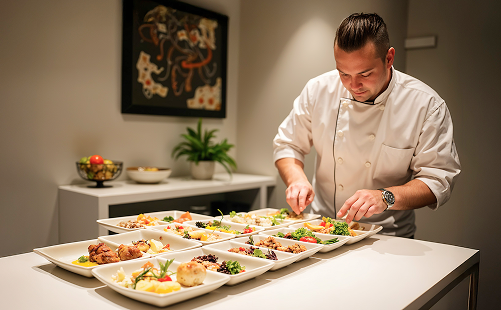
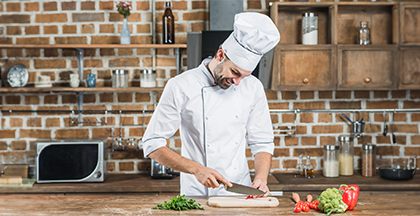
A private chef for seniors prepares fresh meals from scratch in the senior’s home, using ingredients sourced around the individual’s dietary needs, with full cleanup handled before leaving.
Among the three options reviewed here, this format offers the highest degree of menu personalization and freshness.
Where they work well:
- Seniors managing complex dietary requirements including diabetes, heart disease, kidney conditions, or post-surgical recovery nutrition
- Elderly individuals who have lost appetite and need meals that genuinely appeal to them to maintain adequate nutrition
- Families who want freshly prepared, health-conscious meals as a consistent in-home experience
What a private chef for seniors can provide:
- A fully personalized menu built around health conditions, dietary restrictions, and taste preferences
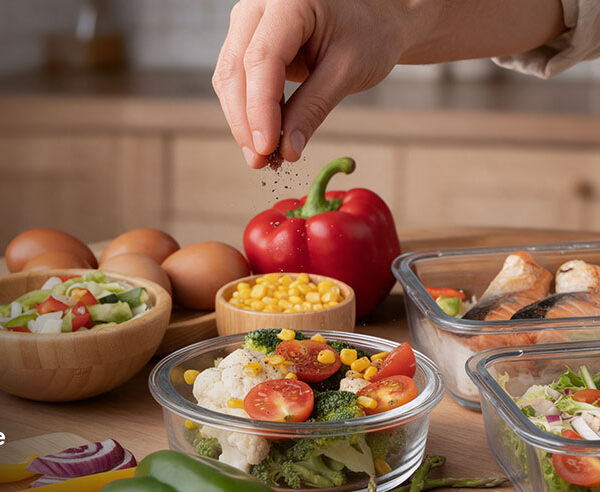
- Fresh preparation from scratch at every session with no reheated or pre-packaged components
- Allergy-conscious cooking with full ingredient transparency
- Flexibility to adjust menus as health needs or appetite preferences change
- Meals that align with what registered dietitians describe as the gold standard for managing complex dietary conditions in older adults
For seniors whose relationship with food has become complicated by health conditions or reduced appetite, a thoughtfully prepared meal carries quality-of-life value alongside its nutritional content.
How to Choose the Right Option
Three practical questions help narrow the decision for most families.
- How complex are the dietary needs? Seniors managing multiple health conditions benefit most from fresh, customized meal preparation with full ingredient control, while those with stable dietary needs are typically well served by a quality delivery service.
- How often is meal support needed? A private chef visiting two to three times per week prepares multiple meals per session, and many families combine this with a delivery service on remaining days.
- What matters most beyond the food itself? Seniors needing daily companionship and personal care benefit from home care as the primary arrangement, while those prioritizing meal quality and personalization benefit most from a dedicated private chef service.
In many cases, families use a combination of all three options as care needs evolve over time.
Giving Seniors Meals That Actually Serve Them
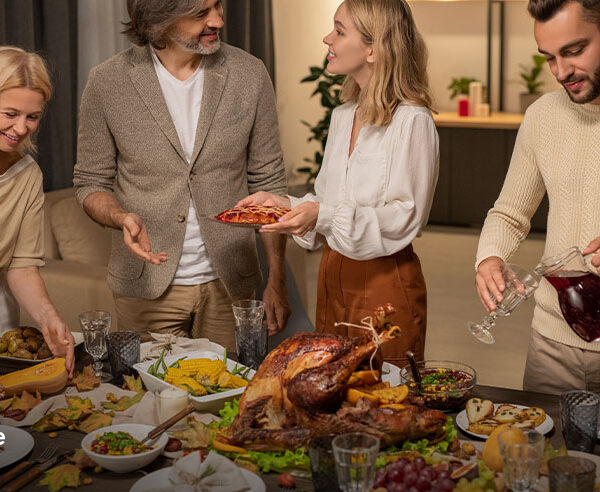
Mealtimes for elderly loved ones carry weight beyond nutrition. A meal prepared with care, built around personal taste, and served fresh at home communicates something that a reheated delivery box cannot.
For families who want to provide that standard of care without being present in the kitchen every day, a private chef at home makes it consistently possible.
The right meal service is the one that meets the senior’s specific health needs, respects their preferences, and makes eating something they look forward to rather than manage.
For seniors with medically complex dietary needs, consult a registered dietitian or physician before finalizing any meal service arrangement.
Questions Families Ask About Senior Meal Services
A private chef can be a strong option for seniors with complex dietary restrictions because meals are fully customized and adjusted as health needs evolve. Families should share guidance from the senior’s physician or registered dietitian with the chef before service begins.
Meal delivery services provide pre-prepared meals with limited personalization. A private chef prepares fresh meals from scratch in the senior’s home, with menus built around the individual’s health needs, taste preferences, and dietary restrictions at every session.
A private chef can prepare meals aligned with dietitian-informed guidelines including low-sodium, diabetic-friendly, renal diet, and heart-healthy formats. Families should provide specific dietary guidance from the senior’s healthcare team before service begins.
Most families arrange two to three visits per week, with the chef preparing multiple meals per session to cover days between visits. Daily arrangements are available for seniors with more intensive needs.
Experience with senior dietary needs, familiarity with health-informed cooking formats, allergy awareness, ingredient transparency, and willingness to work alongside guidance from a physician or dietitian are the most important practical considerations.





 Home
Home
 Chefs
Chefs
 Chats
Chats
 My Order