


 Settings
 Gift Card
 Blog
Blog Locate Us
 Partnership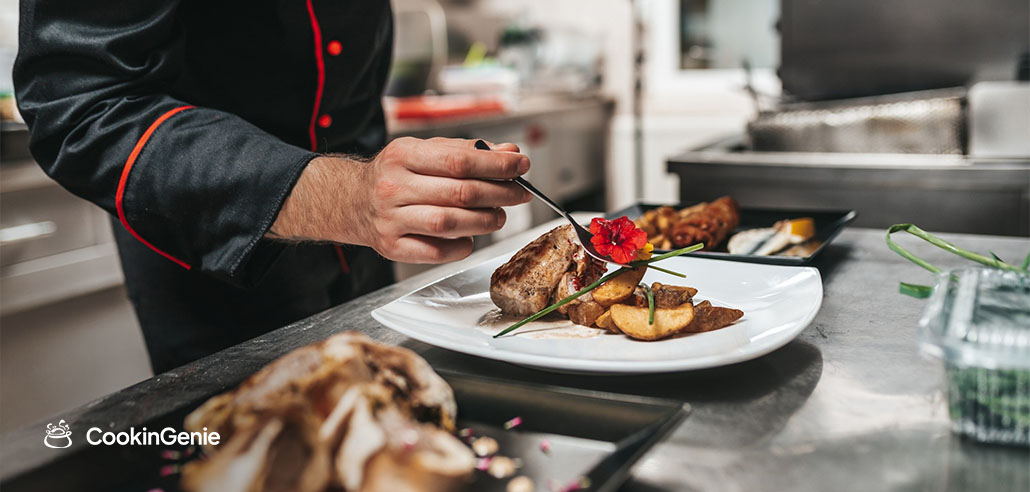

Private Chef in San Francisco: Farm-to-Table & Asian-Fusion In-Home Dining
Key Takeaways
- Farm-to-table Asian fusion blends Bay Area produces with Japanese, Korean, and Chinese techniques.
- Ingredient sourcing and timing matter more than the ingredient list itself.
- An in-home dinner offers more flexibility than a fixed restaurant menu.
- Pricing for a four-course private dinner in San Francisco typically runs from $100 depending on various factors.
- Freshness, pacing, and cleanup are handled entirely on-site.
Farm-to-table Asian fusion in San Francisco means enjoying exceptionally fresh ingredients, bright Bay Area flavours, and a bespoke culinary experience, all provided at your table by a private chef.
Private chefs in San Francisco offer farm-to-table Asian fusion by designing thoughtful menus with local, seasonal ingredients. Their in-home service creates a truly personal and memorable dining experience.
What farm-to-table Asian fusion means in San Francisco
Farm-to-table Asian fusion pairs fresh Bay Area ingredients with Japanese and Korean technique. The menu is built around your table, not a fixed restaurant card. A private chef sources the produce, times every course, and serves each dish fresh from the kitchen.
Why book a private chef for this style of dinner
A private chef brings restaurant-level cooking into a relaxed, personal setting. Ingredients come from Bay Area farms and fishmongers. Everything is cooked fresh in your kitchen.
Dishes like seared maitake mushrooms or silken tofu depend on being served the moment they finish cooking. That timing is easier to control at a private dinner than during a busy restaurant service.
How private chefs adjust to each table
A private chef reads the table before deciding how to finish each dish. If guests order extra chili oil or ask about spice level early on, the chef pushes gochujang and Sichuan chili further into the marinades and sauces that follow.
If the table orders more citrus-forward drinks or mentions a lighter palate, the chef leans on yuzu, ponzu, and rice vinegar instead, and pulls back on heat. The same adjustments apply to dietary needs. A guest who avoids gluten gets tamari swapped in for soy sauce. A guest who avoids dairy gets coconut milk instead of butter in a finishing sauce.
Where SF private chefs source ingredients
Private chefs in San Francisco rely on a small set of well-known sourcing spots rather than generic wholesale supply.
The Ferry Plaza farmer’s market
Operated by the nonprofit Foodwise at the San Francisco Ferry Building, this market has run three days a week since 1993. More than 100 vendors set up on Saturdays alone.
Half Moon Bay produce
Half Moon Bay’s fog-cooled coastal soil has supported artichoke and Brussels sprouts farming for close to a century. Visit Half Moon Bay traces that history back to early Italian immigrant farmers who found the climate ideal for the crop.
Wild King Salmon
Chinook, sold commercially as king salmon, is one of the species Monterey Bay Aquarium’s Seafood Watch program recommends buying wild from U.S. fisheries. Nearly all wild U.S. salmon carries Marine Stewardship Council certification.
Same-Day Herbs, Mushrooms, and Citrus
Many chefs pick these up the same day as the event. Flavour and texture both drop off within hours of harvest.
How technique and local farms come together
| Element | What It Looks Like |
| Seasonal Bay Area produce | Mushrooms, squash, herbs, and shishito peppers sourced from local farms and markets |
| Asian cooking technique | Dashi, wok cooking, ponzu, miso, and Korean marinades used to build depth |
| Live, in-home cooking | Every course is finished and plated in your kitchen |
Dishes that shine when cooked fresh at home
Some dishes lose their character within minutes of being plated. That is why they work better at a private dinner than on a restaurant expo line.
Private Chef vs. Restaurant Dining
| Factor | Restaurant Dining | Private Chef Experience |
| Ingredient freshness | Sourced in advance for daily service | Often shopped same-day |
| Texture and presentation | Dishes may sit during busy service | Food moves from pan to plate quickly |
| Menu flexibility | Fixed menu | Adjusts to dietary needs and taste |
| Hosting experience | Reservations, travel, parking | Entirely at home |
| Cleanup | Ends when you leave | Included in the service |
| Pacing | Set by table turnover | Set by the evening’s flow |
The bigger difference is rarely the food. It is the atmosphere, and how much of the evening goes toward logistics versus time with guests.
Why timing decides whether the menu works
Ingredients matter, but timing holds the whole menu together. A private chef knows when to pull back the heat, rest a protein, or finish a sauce.
Silken tofu stays delicate because the sauce is built slowly. Greens keep their color because they go in last. Fish stays tender because citrus and miso are layered in carefully, not all at once.
A trained chef also adapts mid-service: building a vegan substitution on the fly, adjusting spice between courses, or plating straight from the pan instead of holding food under a heat lamp.
Building the Right Menu
- Seasonal ingredients: Bay Area produce sets the direction, whether that means summer seafood or fall squash.
- Asian fusion Flavors: Miso, yuzu, ponzu, and sesame add depth without overpowering the produce.
- A smooth arc: Courses move at a steady pace, with fresh plating between them.
- Personalization: Flavour intensity and ingredients adjust to the specific guests at the table.
Conclusion
Farm-to-table Asian fusion works in San Francisco because the two halves of that phrase reinforce each other. The Bay Area gives chefs some of the freshest produce and seafood in the country, sourced from places like the Ferry Plaza Farmers Market and the coastal farms around Half Moon Bay, and Japanese and Korean technique.
For anyone in San Francisco weighing a private chef against a restaurant reservation, the practical starting point is to see who is available. CookinGenie’s San Francisco chef directory lists chefs by cuisine, review history, and open dates, and booking, building the menu.
FAQs
Most experiences run $100 to $800 for a four-course dinner, depending on group size, menu complexity, and ingredients like wild salmon or duck. That price typically covers sourcing, cooking, service, and cleanup. Add-ons like wine pairings or extra courses push it toward the higher end.
Many shop at markets like the Ferry Plaza Farmers Market and work directly with Bay Area farms and seafood suppliers close to the event date.
Yes. Menus adjust for gluten-free, vegetarian, vegan, and dairy-free guests, since the meal is built specifically for the group.
Most dinners involve 2 to 4 hours of on-site prep and service. Slow components like a braise or overnight marinade start before the chef arrives. Guests still get a smooth, restaurant-style pace throughout.
Many chefs suggest wine or sake that balances the spice, acidity, and umami in the menu. A citrus-forward starter pairs well with a crisp white, while a miso-glazed main suits a fuller sake. Guests can also bring their own and ask for pairing advice.




 Home
Home
 Chefs
Chefs
 Chats
Chats
 My Order