


 Settings
 Gift Card
 Blog
Blog Locate Us
 Partnership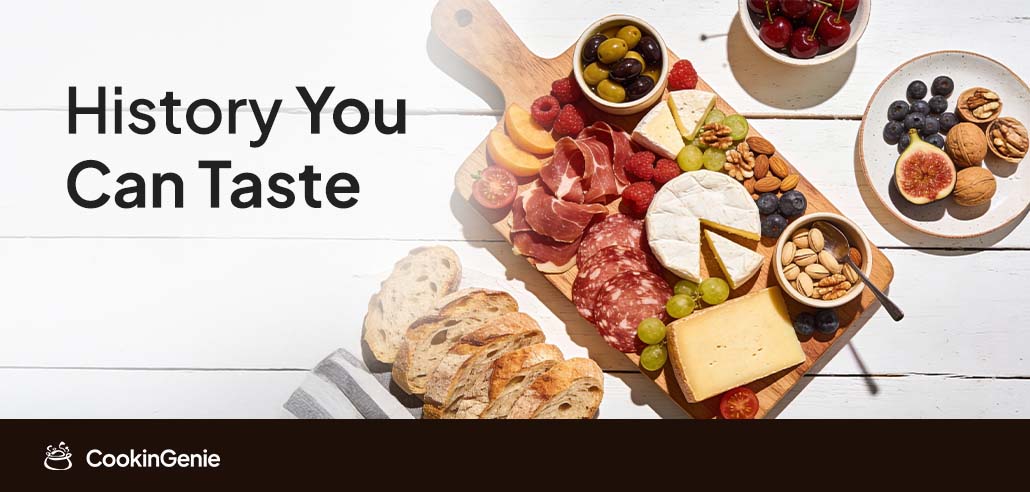

What Is Charcuterie? Understanding the Meaning, History, and Boards
TL;DR
- Charcuterie originates from the French words for “cooked flesh” and was historically a craft of meat preservation, not decoration
- French charcutiers in the 15th century formed guilds to regulate curing, smoking, and preserving techniques, primarily using pork
- The modern charcuterie board has evolved well beyond cured meats to include cheese, fruit, pickles, and global accompaniments
- Building a well-balanced board follows a consistent rhythm of meats, cheeses, bread, and thoughtful accompaniments
- Hiring a private chef to curate a board takes the guesswork out entirely for gatherings where presentation matters
The word “charcuterie” (pronounced shar-koo-tuh-ree) comes from the French words “chair,” meaning “flesh,” and “cuit,” meaning “cooked.” Traditionally, it refers to the craft of curing, smoking, and preserving meat, most often pork.
At its core, the meaning was entirely practical. These methods existed to extend the life of food long before refrigeration was an option.
In modern food culture, a charcuterie board reaches well beyond cured meats to include cheese, crackers, fruit, nuts, pickles, jams, and even sweets.
What began as functional preservation has become a considered, often artistic form of hosting. The modern board is less about rules and more about balance, flavour, texture, and visual intention.
Here is everything worth knowing about where charcuterie came from, how it evolved, and how to build one well.
Charcuterie Board vs Charcuterie Platter
The terms are used interchangeably but carry a practical distinction. A charcuterie board refers to a wooden board or slate where items are arranged with deliberate styling, suited to smaller, intimate gatherings.
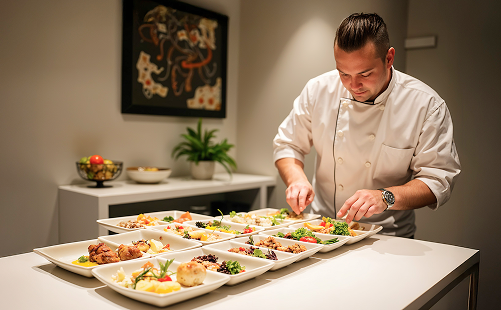
A charcuterie platter operates at a larger scale on trays for catered events, weddings, or cocktail hours where volume and accessibility take priority over intricate arrangement.
The Origin of Charcuterie
The origin of charcuterie is rooted in necessity. Curing and salting go as far back as Ancient Rome, where meats were treated with salt and spices to survive seasonal changes. Medieval France is where it became a genuine craft.
By the 15th century, French charcutiers were specializing in transforming every part of the pig into carefully prepared products, with guilds formed to regulate quality and technique.
When someone asks what charcuterie means, the answer goes beyond food. It represents generations of accumulated skill, regional discipline, and cultural pride.
How Charcuterie Boards Evolved Over Time
Charcuterie’s evolution tracked closely with changes in technology, trade, and cultural exchange.
Pre-Industrial Era (1400s to 1800s): Boards reflected local ingredients and seasonal preservation, with techniques passed down through families and trade guilds.
Industrial Revolution (1900s to 1950s): Refrigeration and mass production made cured meats widely accessible, spreading charcuterie beyond Europe and into everyday households.
Modern Era (1960s to today): Artisanal meats, farmstead cheeses, and global flavors take center stage. Presentation becomes as important as taste, and the board evolves into a social centerpiece.
That evolution is why a contemporary board might combine Spanish chorizo, French brie, California almonds, and truffle honey on a single spread without any of it feeling inconsistent.
Essential Ingredients for a Charcuterie Board
Most well-built boards follow a consistent rhythm:
- Meats: Salami, prosciutto, capicola, or pâté as the foundation
- Cheeses: A mix of soft, hard, and aged varieties for textural contrast
- Bread and crackers: Crostini, artisan baguette slices, or seeded crackers
- Fruit: Fresh figs, grapes, or sliced pear for sweetness and colour
- Pickled accents: Olives, cornichons, or pickled onions to cut through richness
- Extras: Honey, whole grain mustard, fruit jam, or mixed nuts to finish
Every element earns its place. The best boards feel balanced rather than crowded.
Tips for Building a Charcuterie Board That Works
A board that feels intentional rather than assembled follows a few consistent principles:
- Place bowls and vessels for dips and spreads first, then build outward
- Mix textures so every combination offers something different in the bite
- Use colour deliberately to create visual balance across the board
- Pair salty cured meats with something sweet or acidic to avoid palate fatigue
- Choose a board size that fits the guest count rather than filling space for its own sake
For gatherings where the board is meant to impress, a private chef brings these principles to life with professional sourcing, styling, and execution.
Where Charcuterie Stands Today
From Roman salt cellars and medieval French guilds to the center of modern hosting culture, charcuterie has always been about making something considered out of available ingredients.
Whether the goal is a classic spread built around prosciutto and aged cheddar or something globally inspired with labneh and fig preserve, the principles remain the same: balance, contrast, and real intention behind every element on the board.
A curated board prepared by a private chef sets a tone for the entire evening that a self-assembled spread rarely matches, particularly for events, home dinners, or Airbnb stays where the experience is the point.
Frequently Asked Questions
A charcuterie board is a thoughtfully arranged selection of cured meats, cheeses, breads, fruits, and accompaniments served as a shared spread, originating from the French craft of meat curing and preservation.
A classic board includes cured meats such as salami, prosciutto, or capicola; a selection of cheeses from soft to aged; bread or crackers; fresh or dried fruit; pickled items like cornichons or olives; and condiments such as honey or whole grain mustard.
Traditionally, charcuterie referred specifically to preserved pork products, including cured ham, sausages, pâté, and rillettes, originating in France as a method of extending the shelf life of meat before refrigeration.
Charcuterie boards suit the way people prefer to eat and socialize now: shared, relaxed, visually engaging, and easy to customize across settings from casual home dinners to formal cocktail hours.
A cheese board centers on a curated selection of cheeses with minimal accompaniments. A charcuterie board gives equal weight to cured meats alongside cheese, with a broader range of accompaniments. In practice, many modern boards blend both formats.





 Home
Home
 Chefs
Chefs
 Chats
Chats
 My Order