


 Settings
 Gift Card
 Blog
Blog Locate Us
 Partnership

The Smarter Way to Do Easy Meal Prep, Borrowed From Private Chefs
The alarm clock panics first. The fridge follows with silence. Breakfast looks at you like a meeting that could have been an email. By the time the coffee kicks in, the day has already taken a vote against cooking.
Easy meal prep enters most lives with enthusiasm and exits quietly by Wednesday.
Private chefs see this pattern immediately. They expect it. Energy dips. Schedules slide. Motivation disappears without notice. Their systems survive because they are built for real behavior, not perfect routines.
Borrowing that thinking changes the relationship with food. Meal prep stops feeling like discipline and starts feeling like relief.
For some households, borrowing this approach means learning from chefs. For others, it means occasionally bringing one into the kitchen. What follows is how chefs design meal prep that works from morning to night, without asking you to become a different person.
Why Private Chefs Treat Meal Prep Like a System
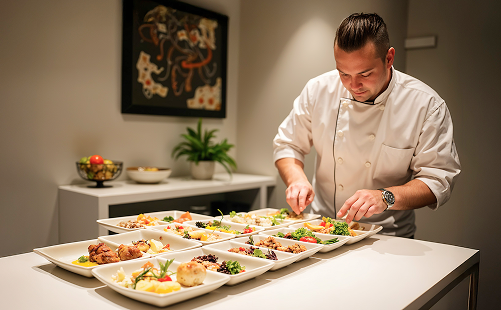
Professional kitchens do not run on inspiration. They run on structure that allows flexibility without chaos.
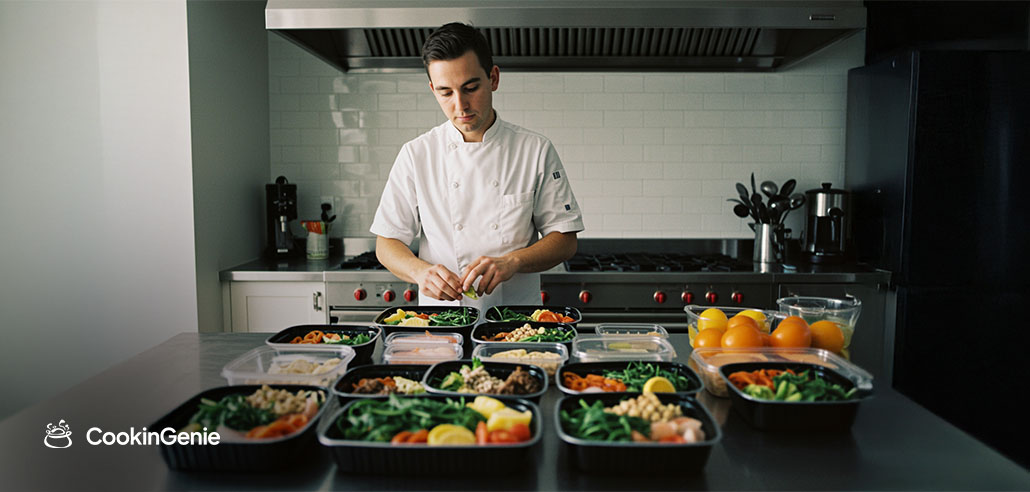
Private chefs never plan meals as one-off events. They build components meant to travel across days. Proteins are cooked once and reused. Vegetables are prepared with multiple outcomes in mind. Sauces exist to change direction without starting over.
This reflects a sous chef mindset. Flow matters more than flair. Timing matters more than novelty. What gets cooked first, what waits, and what rescues a meal when plans shift all matter.
Home kitchens often skip this layer and jump straight to recipes. That is why meal prep collapses midweek. When planning happens backwards, meals stop unraveling under pressure.
Breakfast Is Where Chefs Win First
Breakfast repeats more than any other meal. That repetition makes it the smartest place to simplify.
Chefs design mornings around formats that forgive rushing. Sandwiches, wraps, and bowls dominate because they reheat well and remove choice. This is why meal prep breakfast ideas consistently come back to familiar structures.
Bread holds shape. Eggs reheat evenly. Proteins keep energy steady. Breakfast sandwich meal prep works because it combines all of this into something that survives real mornings.
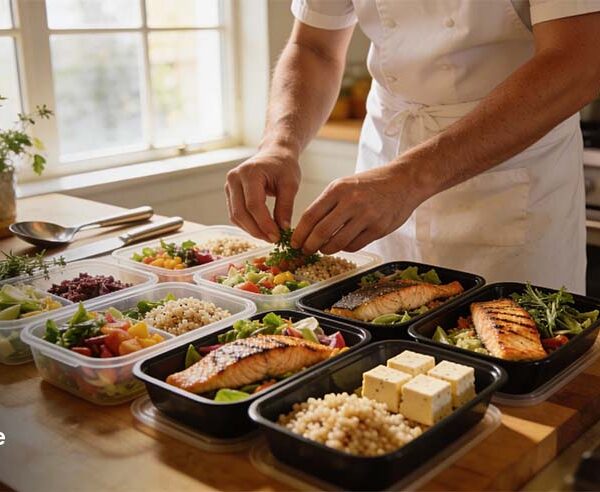
Chefs separate components to protect texture. Eggs bake in trays. Proteins cook in batches. Vegetables roast once and repeat. Assembly becomes automatic.
Over time, meal prep breakfast sandwiches stop feeling planned and start feeling inevitable. Heat. Eat. Move on.
Readers who want portable formats beyond sandwiches can explore Grab-and-Go Meal Prep Bowls Anyone Can Make for breakfast and lunch crossover inspiration.
Lunch Planning That Does Not Collapse by Noon
Lunch works best when it feels assembled, not cooked. Chefs treat it as a pause, not a project.
Bowls dominate this space for a reason. A base stays consistent. Toppings shift based on mood. Sauces handle personality changes.
Vegetarian meals benefit most from this approach. Satisfaction comes from texture, seasoning, and balance rather than substitutes or labels. Meals feel complete because they are designed to be.
For cooks who want depth without heaviness, What to Cook When You Want Something Vegetarian but Satisfying expands on how chefs build plant-forward lunches that actually hold you over.
Plant Forward Without Making a Statement
Plant-based eating becomes easier when it stops trying to prove something.
Chefs focus on structure first. Roasted vegetables bring weight. Fats add comfort. Acids keep things bright. Protein plays a supporting role rather than the headline.
Meals feel intentional instead of restrictive because they are built to satisfy first.
For cooks looking to explore this direction further, Looking for Plant-Based Options? These Easy Recipes Hit the Spot shows how chefs keep flavor high without overcomplication.
Low Carb Planning Without Starting Over
Low carb meal prep fails when it demands reinvention every week. Chefs avoid this by modifying structure, not rebuilding meals.
Proteins remain central. Vegetables quietly replace grains. Sauces keep things interesting. Nothing feels like a sacrifice because nothing announces itself as a swap.
A roasted chicken anchors salads, bowls, and plated dinners. Cauliflower, zucchini, and greens rotate without fatigue. Meals feel steady instead of strategic.
For weeknights that need to stay simple, These Low-Carb Preps Make Weeknights Too Easy breaks down chef-approved shortcuts that actually last.
Meal Magic Happens When Chefs Plan Backwards
Most meal prep fails because cooking begins before decisions finish. Chefs reverse the order. They decide how meals should function before deciding how they should taste. Flexibility leads. Flavor follows.
Proteins stay neutral. Vegetables stay adaptable. Sauces provide direction.
Heat lives on the side. Spicy food becomes optional instead of overwhelming. One base meal satisfies different preferences without restarting.
This is how chefs keep plates spinning without dropping them.
Dinner That Does Not Ask Too Much of You
Weeknight dinners collapse when effort peaks too late. Chefs move complexity earlier so evenings stay light.
Batch cooking creates momentum. One protein becomes several meals. One vegetable fills multiple roles. Charcuterie style dinners shine here. Vegetables, cheeses, dips, and charcuterie meats create full plates without heat or hassle. This is comfort without cleanup.
When energy runs low, Simple Dinners for Nights When You Don’t Want to Try Hard offers chef-tested ways to coast through evenings gracefully.
High Protein Without the Gym Bro Energy
Protein planning breaks down when it turns into pressure. Chefs treat protein as structure, not obsession.
Chicken, fish, tofu, and legumes anchor meals quietly. They move through bowls, wraps, and plates without dominating flavor. Meals feel generous instead of prescriptive.
Protein works best when it supports appetite and energy rather than aesthetics.
For fitness-friendly planning that still feels social, Hosting a Fitness Friend? Here Are Easy High-Protein Dishes shows how chefs keep meals inclusive.
Budget Meal Prep Without Feeling Cheap
Cost control begins before shopping starts. Chefs plan order before recipes. Ingredients serve multiple purposes. Proteins stretch. Vegetables pull double duty. Freezers become allies.
Soups, stews, and bowls absorb leftovers gracefully. Waste disappears when planning has direction.
For a deeper look at saving without sacrificing quality, How Do You Meal Prep for the Week Without Spending a Lot walks through chef-style budget planning.
When Preferences Collide at the Table
Families introduce variables no plan fully controls. Preferences change. Schedules overlap. Energy fluctuates.
Chefs design systems that absorb disagreement without doubling work. Shared components allow everyone to build their own plate.
When needs pull in different directions, What to Make When Everyone Wants “Something High-Protein” explains how chefs avoid cooking twice.
Why Families Quietly Outsource Meal Prep
This is the part people whisper about over fences. The neighbor who eats well every night and still has time.
Hiring a chef for meal prep sounds like an oxymoron. Outsourced home cooking. Planned spontaneity. Effortless discipline.
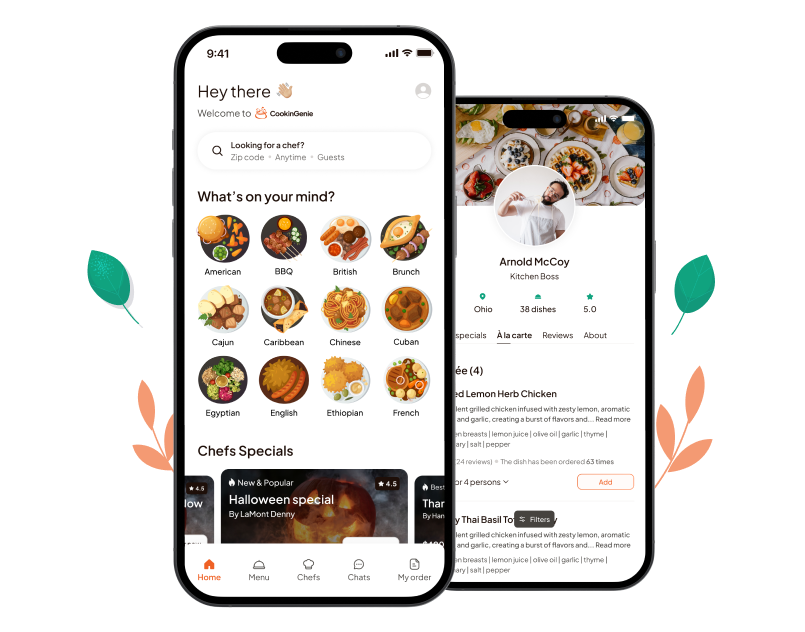
Platforms like CookinGenie make this approach practical without turning daily meals into a lifestyle overhaul. Families exploring this path often begin with Easy Meal Prep Meals Busy Families Outsource to Private Chefs.
Building Your Own Chef Inspired Routine
Start with formats that repeat easily. Sandwiches. Bowls. Boards.
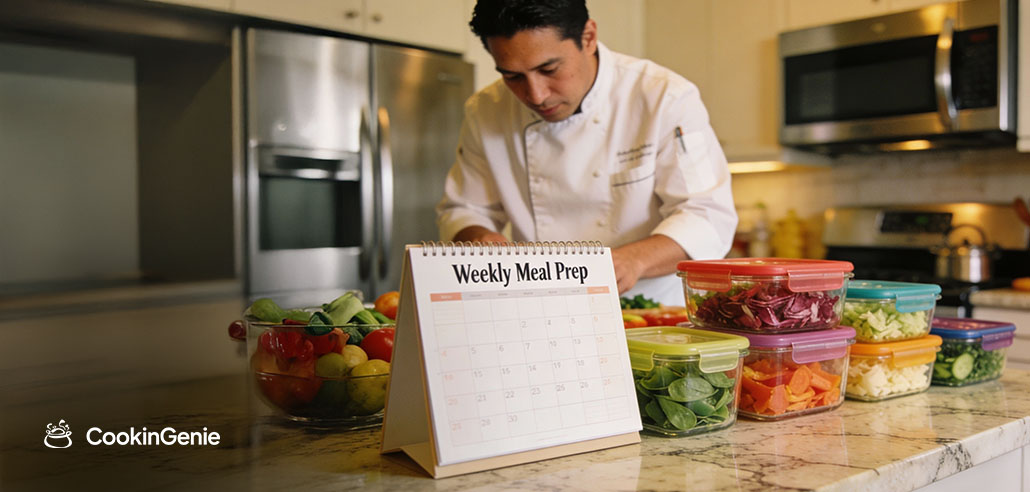
Choose three proteins, three vegetables, and two sauces each week. Keep preparation simple.
Store components separately. Assemble meals based on mood rather than obligation.
For practical examples that work after long days, What Are the Easy and Cheap Meal Prep Meals for Busy Weeknights? shows how this looks in real kitchens.
This system bends without breaking.
The Quiet Luxury of Food That Just Works
Quiet luxuries rarely announce themselves. They remove friction instead.
Chef-inspired meal prep does exactly that. Stress fades. Meals stop demanding attention.
This is where services like CookinGenie fit naturally into everyday routines. The smartest systems disappear into the background and keep working.
The Obvious Questions
Private chefs build flexible systems that adapt to schedules instead of relying on daily motivation.
Yes, they reduce decisions, stabilize energy, and keep mornings predictable without added effort.
They reheat evenly, hold structure, and combine protein, carbs, and vegetables efficiently.
Yes, modular planning allows easy swaps without increasing cooking time or complexity.
They add heat through sauces so meals stay adaptable for different spice preferences.
It prioritizes flow, reuse, and timing to reduce midweek burnout.
Yes, it reduces friction, improves consistency, and supports varied household preferences.




 Home
Home
 Chefs
Chefs
 Chats
Chats
 My Order