


 Settings
 Gift Card
 Blog
Blog Locate Us
 Partnership

Why Cleveland Is One of the Most Underrated Food Cities in the Midwest
TL;DR
- Cleveland’s food identity was built by immigrant communities, independent chefs, and Ohio’s agricultural geography, not by trend or tourism
- The West Side Market is one of the most authentic public market experiences in the United States and the clearest single expression of what Cleveland’s food culture actually is
- Chefs choose Cleveland deliberately, and their presence shaped a culinary scene with genuine ambition and local roots
- Cleveland’s farm-to-table infrastructure exists because of geography, not marketing
- A private chef at home is the most personalized way to experience Cleveland’s culinary depth in a single evening
Cleveland’s food scene was built by the communities that built the city itself. Eastern European, Hungarian, Italian, and Jewish-American immigrants settled here, kept their culinary traditions intact across generations, and created something that food travelers increasingly seek and rarely expect to find in the Midwest.
Add a public market running since 1912, chefs who chose Cleveland deliberately over larger markets, and Ohio’s agricultural geography doing the sourcing work that most cities have to manufacture, and the result is a food identity that is specific, rooted, and genuinely worth planning around.
These five reasons explain what makes Cleveland food worth seeking out, and exactly where to start when you get here.
The Three Cleveland Food Experiences Worth Prioritizing First
- The West Side Market on a Saturday morning
- Chicken Paprikash at Balaton on Buckeye Road
- Dinner on East 4th Street at one of Symon’s restaurants
These three cover the immigrant heritage, the neighborhood institution, and the fine dining ambition that define Cleveland’s food identity most completely.
What Makes Cleveland Food Worth Seeking Out
Each one comes with a specific recommendation, so you know exactly where to start.
1. Cleveland Restaurants Source Locally Because Ohio’s Farms Are Close
Cleveland’s restaurants do not have to work hard to source locally because Ohio is one of the most agriculturally productive states in the country and the farms are close. This is not a marketing position. It is geography.
The dairy at many West Side Market vendors comes from within the region. The result is seasonal cooking that tastes like the place it came from, which is rarer than it should be in American dining.
- What to eat: The smoked brisket at Mabel’s Barbeque on East 4th Street. Symon’s commitment to local sourcing is visible in every element of the menu.
- Best for: Diners who want food that reflects a real place rather than a fixed menu concept
2. The West Side Market is the Real Cleveland
If you want to understand what Cleveland actually eats, spend a Saturday morning at the West Side Market. Nearly 100 vendors operate under the market’s vaulted ceilings selling kielbasa, pierogies, artisan cheese, fresh bread, Hungarian pastries, and produce from regional farms.
It has been running this way since 1912 and the vendors are largely the same families, second and third generation, selling the same products their grandparents introduced to the market decades ago.
- What to eat: A fresh pierogi from one of the Eastern European vendors, eaten standing up at the market. It costs almost nothing and tastes like Cleveland more completely than any restaurant dish could.
- Best for: Anyone who wants to understand the immigrant food culture that built this city before sitting down anywhere
3. Serious Chefs Chose Cleveland Deliberately and Built a National Reputation
Michael Symon grew up in Cleveland, trained elsewhere, and came back. That decision, and the James Beard Award for Best Chef Great Lakes that followed, reframed what Cleveland’s restaurant scene understood about itself.
A generation of serious chefs followed opening restaurants on East 4th Street and in Ohio City that cook with ambition comparable to larger food cities but with ingredients, communities, and stories that those cities cannot offer.
- What to eat: The bologna sandwich at Mabel’s Barbeque on East 4th Street. Symon’s take on Cleveland’s working-class food culture is served in a space that makes it feel like an occasion.
- Best for: Food travelers who want to understand how a city’s chefs shape its culinary identity from the inside out
4. The Immigrant Food Traditions Are Still Intact
Little Italy on Mayfield Road still has family-run restaurants where pasta is made from the same recipes for three generations. Balaton on Buckeye Road remains one of the most historically significant Hungarian restaurants in the region, its Chicken Paprikash slow-cooked the way it was a century ago.
Asia Town on the near east side is one of the Midwest’s most diverse Asian food districts, with LJ Shanghai the go-to for hand-folded dumplings.
- What to eat: Chicken Paprikash with homemade spaetzle at Balaton. It is the dish that surprises most visitors and the one most likely to bring them back.
- Best for: Diners who want to eat food that reflects real community history rather than a restaurant concept
5. Cleveland’s Food Culture in Annual Festivals
Cleveland’s food culture spills well beyond its restaurants. The Taste of Cleveland festival brings the city’s restaurant community into public space across multiple days each year, while the Cleveland Garlic Festival at Cuyahoga Valley National Park draws local farms, cooking demonstrations, and a community energy that reflects how seriously this city takes its relationship with local agriculture. Both are expressions of a food culture that exists year-round.
- What to eat: Whatever the local farm vendors are pressing into your hands at the Garlic Festival. The roasted garlic bread alone justifies the trip.
- Best for: Visitors who want to experience Cleveland food culture as a community event rather than a restaurant transaction
Experience Cleveland’s Food Culture at Home with a Private Chef
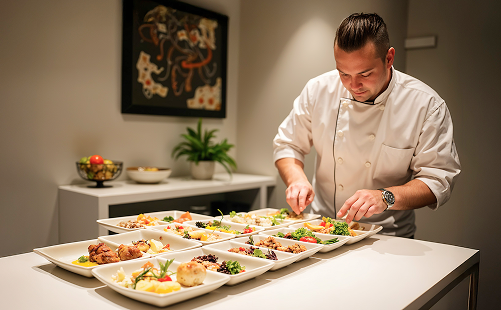
For visitors and locals who want the full range of Cleveland’s culinary traditions in one unhurried evening, a private chef brings it all to the table.
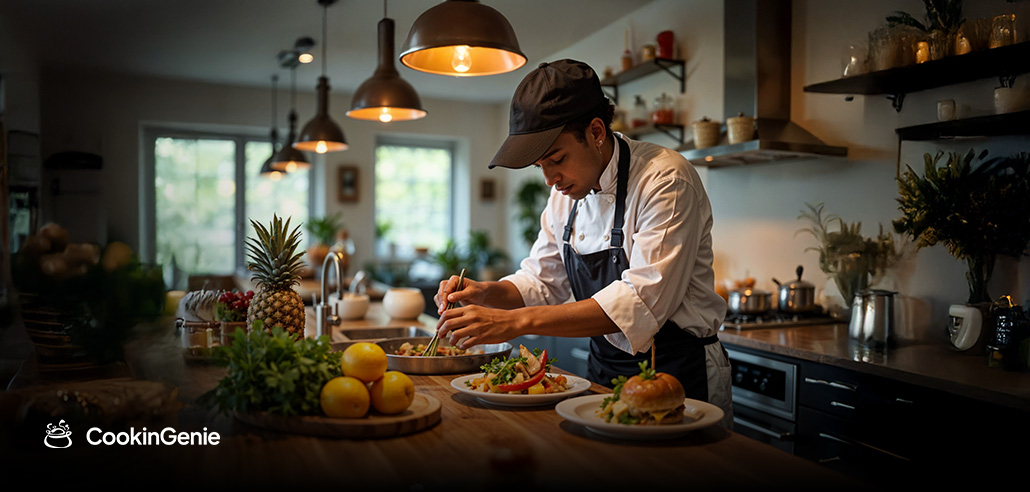
A private chef builds a custom menu drawing from Cleveland’s Eastern European, Italian, Hungarian, and regional American traditions, sources ingredients locally where possible, and executes the full evening in the home kitchen with complete cleanup before leaving.
What that delivers:
- A fully custom menu drawing from Cleveland’s most celebrated culinary traditions
- Fresh local ingredient sourcing, including Ohio produce and West Side Market finds
- Dietary accommodations built in from the first course
- Multi-course execution at restaurant standards without leaving home
- Complete cleanup before the chef leaves
Cleveland’s Food Scene Rewards Every Visitor
The cities that develop genuine culinary reputations are the ones where the conditions were right: communities that valued food, geography that supported agriculture, and chefs who understood what they had access to.
Cleveland had all three, developed them over generations, and produced a food scene that rewards visitors who arrive without assumptions.
The surprise is not that the food is good. It is that it took this long to find out.
Frequently Asked Questions
Cleveland’s food reputation is built on immigrant communities that preserved their culinary traditions, serious independent chefs who chose the city deliberately, the West Side Market operating continuously since 1912, and Ohio’s agricultural geography giving restaurants access to exceptional local produce.
Eastern European food traditions including pierogies and kielbasa, Hungarian cuisine along Buckeye Road, Jewish-American deli culture, a thriving Asia Town, and a James Beard-recognized fine dining scene anchored by chefs including Michael Symon.
Cleveland is one of the most underrated food cities in the Midwest. Its combination of deep immigrant food traditions, serious independent chefs, one of the country’s best public markets, and strong Ohio agricultural supply chains gives it culinary depth that consistently surprises visitors.
Ohio City and the West Side Market area for the broadest range. Little Italy for Italian-American dining. Buckeye Road for Hungarian cuisine. Asia Town for the Midwest’s strongest concentration of Asian restaurants. East 4th Street for fine dining.
A private chef builds a fully custom menu around Cleveland’s signature dishes, sources ingredients locally where possible, and prepares the full meal in the home kitchen with complete cleanup before leaving.




 Home
Home
 Chefs
Chefs
 Chats
Chats
 My Order