


 Settings
 Gift Card
 Blog
Blog Locate Us
 Partnership

How to Host a Housewarming Party with a Private Chef
Key Takeaways
- Choose the style of your housewarming before choosing individual dishes.
- Share your guest count, kitchen setup, dietary requirements, and event timing with your chef early.
- Match the menu format to how guests will use the space.
- For larger gatherings, ask whether additional service support may be appropriate.
- A private chef is especially useful when you want a more personalized dining experience than standard drop-off catering.
- With CookinGenie, you can explore chefs and menus that fit the occasion rather than starting the planning process from scratch.
Moving into a new home comes with enough decisions. Your housewarming menu does not need to be another one.
A private chef housewarming party gives you a way to welcome people into your new space without spending the evening checking the oven, replenishing platters, or disappearing into the kitchen just as everyone arrives.
Unlike traditional housewarming party catering, a private chef experience is built around your home, your guest list, and the kind of gathering you want to host. The menu can be tailored to the occasion, dietary preferences can be discussed in advance, and the cooking happens where the celebration does.
The result is simple: your first gathering in the new home feels like yours. Start with the kind of housewarming you want.
Before discussing appetizers or entrées, decide how you want the evening to feel.
Will everyone sit down together for dinner? Will guests arrive at different times and move between rooms? Are you hosting close friends, extended family, new neighbors, or a combination of all three?
That answer changes the menu.
For an open-house-style gathering
Choose food that is easy to enjoy while standing and socializing.
Small plates, passed bites, grazing-style dishes, and individually portioned items allow guests to move through the home without waiting for a formal dinner service.
For an intimate housewarming dinner
A plated or multi-course menu can make the first dinner in a new home feel like an occasion. This works particularly well when the guest list is small enough to gather around one table.
For a family-focused celebration
Family-style service keeps the atmosphere relaxed and makes it easier to serve different ages and appetites. Shared mains, generous sides, and a dessert everyone can enjoy often work better than an elaborate tasting menu.
Choosing the format first also helps your chef recommend dishes that work with the space, rather than simply building a restaurant menu for a home. Match the menu to your home
Your home should influence how the meal is served. A large kitchen island can become part of the experience, providing a natural place for guests to gather while dishes are finished. A smaller apartment may be better suited to a concise plated menu with less movement between the kitchen and dining area.
A home with a patio, garden, or pool may call for food that transitions comfortably between indoor and outdoor spaces.
When you hire a chef for a housewarming, share practical details about the home before finalizing the menu:
- Number of expected guests
- Seating available
- Indoor and outdoor entertaining areas
- Major kitchen appliances
- Counter and preparation space
- Preferred dining or service style
- Dietary restrictions and allergies
- Approximate arrival and dining times
These details help the chef recommend a menu that works in a space rather than one that only sounds good on paper.
Build a menu that survives a housewarming
Housewarming is different from a dinner party. Guests may arrive at different times. People want to tour the home. Conversations move from the kitchen to the patio and back again.
A rigid menu can work against the natural rhythm of the evening, so a more flexible one often fits better. For a more social gathering, a menu might include:
- Two or three small bites for early arrivals
- A substantial shared main or a selection of smaller plates
- Seasonal sides that can be served without complicated last-minute assembly
- One memorable dessert to close the evening
For a seated celebration, the progression could be more structured:
- Welcome bite
- Starter
- Main course with complementary sides
- Dessert
The goal is not to add as many courses as possible. It is to create a menu that lets the evening move naturally.
Plan for dietary restrictions before the invitations go out
A mixed housewarming guest list often means mixed dietary requirements.
Ask guests about allergies and dietary restrictions when they RSVP, then share that information with your chef as early as possible. This gives the chef more time to determine whether dishes can be adapted or whether separate preparations are more appropriate.
When speaking with a chef, ask specific questions rather than simply saying that someone has an allergy.
Find out:
- Which ingredients need to be avoided?
- How will dietary requests affect the proposed menu?
- Can particular dishes be modified?
- How does the chef approach ingredient handling in your home kitchen?
For guests with severe food allergies or medical dietary requirements, communicate the details clearly before booking and discuss whether the chef and kitchen setup can safely accommodate the request.
Private chef or traditional housewarming catering?
Both can feed a party, but they create different experiences. Traditional catering often works well when the priority is serving a large number of people efficiently.
Food may arrive prepared, be arranged for buffet service, or be managed by a larger event team. A private chef experience is generally more personal.
The menu is selected for your gathering, and the chef becomes part of how the meal unfolds in your home.
A private chef may be a better fit when you want:
- A menu tailored to your preferences
- A smaller or more intimate guest experience
- Food prepared as part of the event
- Greater flexibility around the style of the meal
- A dinner that feels more personal than standard event catering
For a larger open house, the right answer may depend on the guest count and service needs. Before confirming your plans, ask whether the experience requires additional support beyond the chef.
One of the biggest misconceptions is that hiring a private chef is only for lavish occasions. On CookinGenie, many experiences start from around $150 per person, with pricing varying by chef, menu, guest count, and location. Reviewing menus and pricing upfront makes it easier to choose an experience that fits both your celebration and your budget.
A simple housewarming planning timeline:
- Before booking
Set your approximate guest count, preferred date, dining style, and any known dietary requirements.
- Once you choose your chef and menu
Share details about the kitchen and entertaining spaces. Confirm what is included in the selected experience and whether you need to prepare anything before the chef arrives.
- When guests RSVP
Collect final dietary information and communicate meaningful changes to the chef as soon as possible.
- Before the event
Make sure the kitchen and agreed preparation areas are accessible. Put away moving boxes or personal items that could limit usable workspace.
- On the day
Focus on the part you can do i.e., welcoming people into your new home.
How CookinGenie fits into your housewarming
Whether you’re hosting in Chicago, Columbus, Tampa, Seattle, or another CookinGenie service area, you can browse available chefs and menus tailored to your event.
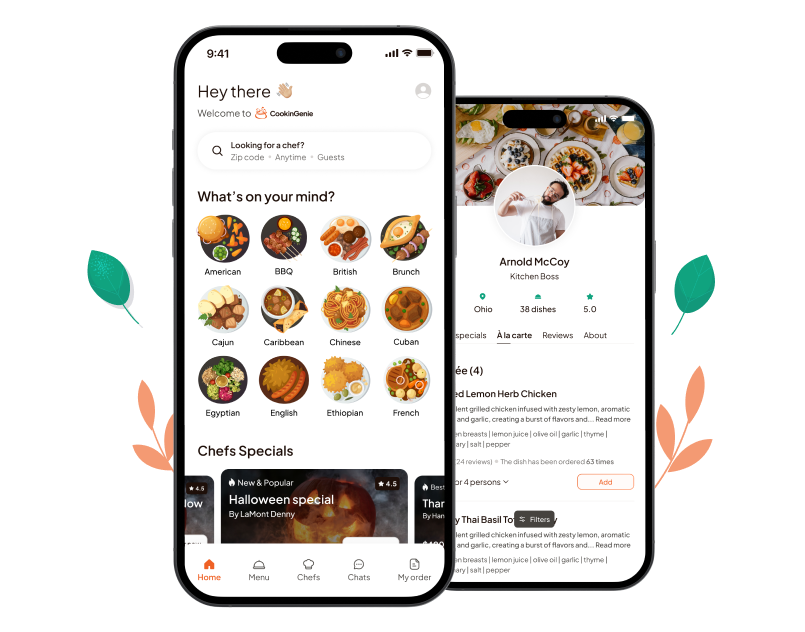
Instead of building a menu, finding a chef, and coordinating the experience through separate vendors, you can explore available options through one platform and choose an experience that fits your gathering.
For a housewarming, that means you can focus your search on what matters most to you, whether that is a relaxed family-style dinner, an elegant multi-course meal, or a menu suited to a particular cuisine.
Before booking, review the individual chef and experience details carefully, including the menu, service inclusions, dietary information, and other booking specifics shown for your selected experience. Across CookinGenie’s network of cities, hosts use the platform for everything from intimate dinners to relaxed open-house celebrations.
Your first dinner should feel like a celebration
There will be plenty of ordinary meals in your new home. The first one with everyone you care about gathered inside deserves a little more ceremony.
Hiring a private chef allows the food to become part of the housewarming without making you responsible for every plate. You get to open the door, pour the drinks, give the house tour, and stay in the room when everyone finally sits down to eat.
The kitchen already has someone looking after it.
Frequently asked questions
Is a private chef good for a housewarming party?
Yes. A private chef can work particularly well for hosts who want a personalized meal without managing all the cooking themselves. The right format depends on your guest count, available space, preferred menu, and whether you want a seated dinner or a more casual gathering.
How far in advance should I hire a chef for housewarming?
For most housewarming parties, booking two to three weeks in advance provides a good selection of chefs and available menus. If you’re planning a larger event, holiday gathering, or want a specific chef, booking four to six weeks ahead is recommended.
What information does a private chef need before a housewarming?
Be ready to share your guest count, preferred dining style, kitchen setup, event timing, and known dietary restrictions. Depending on the experience you select, the chef may need additional details about appliances, preparation space, or the way you plan to serve guests.
Can a private chef handle dietary restrictions?
Many private chefs offer menus that can accommodate certain dietary preferences or restrictions, but capabilities vary by chef and menu. Discuss allergies and other important dietary requirements before booking so you can confirm whether the selected experience is appropriate for your guests.
Is a private chef better than housewarming party catering?
It depends on the experience you want. Traditional catering can be practical for large-volume service, while a private chef is often better suited to hosts looking for a more personalized menu and an in-home culinary experience. Guest count, service style, and budget should guide the decision.
Frequently asked questions
Is a private chef good for a housewarming party?
Yes. A private chef can work particularly well for hosts who want a personalized meal without managing all the cooking themselves. The right format depends on your guest count, available space, preferred menu, and whether you want a seated dinner or a more casual gathering.
How far in advance should I hire a chef for housewarming?
For most housewarming parties, booking two to three weeks in advance provides a good selection of chefs and available menus. If you’re planning a larger event, holiday gathering, or want a specific chef, booking four to six weeks ahead is recommended.
What information does a private chef need before a housewarming?
Be ready to share your guest count, preferred dining style, kitchen setup, event timing, and known dietary restrictions. Depending on the experience you select, the chef may need additional details about appliances, preparation space, or the way you plan to serve guests.
Can a private chef handle dietary restrictions?
Many private chefs offer menus that can accommodate certain dietary preferences or restrictions, but capabilities vary by chef and menu. Discuss allergies and other important dietary requirements before booking so you can confirm whether the selected experience is appropriate for your guests.
Is a private chef better than housewarming party catering?
It depends on the experience you want. Traditional catering can be practical for large-volume service, while a private chef is often better suited to hosts looking for a more personalized menu and an in-home culinary experience. Guest count, service style, and budget should guide the decision.





 Home
Home
 Chefs
Chefs
 Chats
Chats
 My Order