


 Settings
 Gift Card
 Blog
Blog Locate Us
 Partnership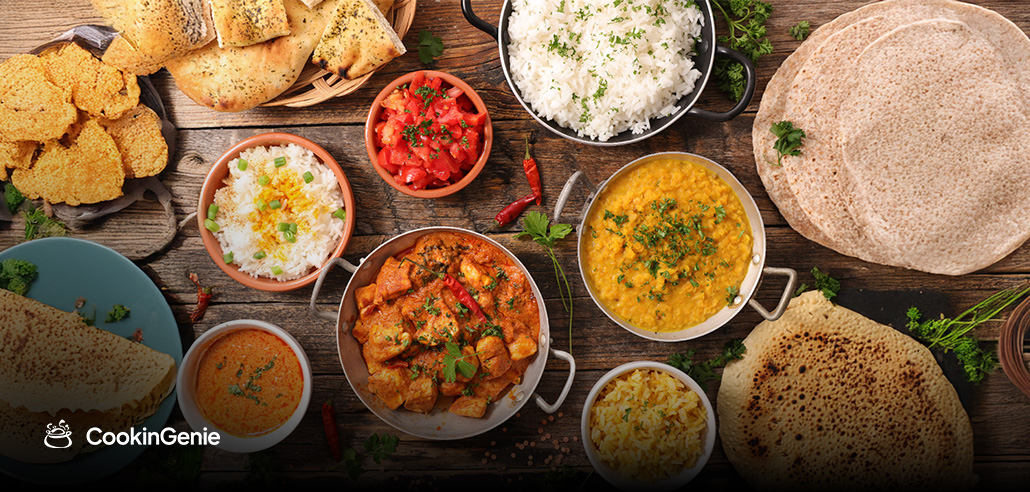

10 Must-Try Spicy Indian Dishes for an Authentic Home Dining Experience
TL;DR
- Indian spicy food derives complexity from layered spice blends rather than raw heat alone
- The ten dishes below represent the regional breadth of spicy Indian cuisine from Kashmir to Goa to South India
- Heat level varies significantly by region and a skilled chef calibrates spice to the guest
- A private chef at home delivers authentic Indian food dishes with full spice customization and no compromise on technique
- The difference between restaurant spicy Indian food and the same dish made fresh at home is rarely subtle
Indian food dishes are among the most searched and most misrepresented cuisines in the world. Most people have eaten a version of tikka masala or biryani without ever encountering what makes either dish genuinely distinctive.
This guide covers what Indian spicy food actually is, why the heat works differently than any other cuisine, and which of the most popular dishes of India are worth seeking out in their authentic form.
What Makes Indian Food Spicy?
What makes Indian food spicy is not simply chili quantity.
Red Kashmiri chilies contribute color and mild warmth. Green chilies add sharper immediate heat. Dried red chilies bring a longer-lasting burn. But chili is only one layer.
Whole spices like cardamom, cloves, and black pepper are bloomed in oil at the start, releasing aromatic compounds that form the flavor base.
Ground spices, including cumin, coriander, and turmeric, build body and color mid-cook. Finishing spices, mustard seeds, or curry leaves tempered in hot oil add the top note at the end.
The result is earthiness, warmth, brightness, acidity, and heat in balance. That layering is what separates spicy Indian cuisine from food that is simply hot.
Quick Guide by Heat and Region
| Heat Level | Best Dishes | Regional Origin |
| Mild to medium | Paneer Butter Masala, Aloo Gobi | North India, Punjab |
| Medium | Chicken Tikka Masala, Lamb Rogan Josh, Biryani, Dosa, Tandoori Chicken | Punjab, Kashmir, Hyderabad |
| Medium to high | Chole Bhature, Samosa with Green Chutney | Punjab, all-India |
| High | Vindaloo | Goa |
Southern spicy Indian dishes tend toward sharper, tamarind-forward heat. Northern preparations tend toward richer, cream and yogurt-balanced spice. If you are new to Indian cuisine, start in the medium heat North Indian column.
If you want the most regionally authentic experience, prioritize rogan josh, biryani, and dosa before the globally adapted dishes.
10 Most Popular Dishes of India Worth Experiencing
Each dish below is selected for cultural authenticity, regional distinctiveness, and the quality of experience it delivers when prepared correctly
Chicken Tikka Masala
Region: Punjab
Heat: Medium
The most globally recognized of all Indian food dishes, and one of the most misrepresented. Chicken marinated in yogurt, garam masala, and Kashmiri chili is cooked at high heat until lightly charred, then finished in a sauce of caramelized onion, tomato, and cream.
Culinary note: Kasuri methi, dried fenugreek leaves, is the ingredient most commonly omitted outside India. Its slightly bitter, maple-adjacent note is what separates an authentic tikka masala from a generic tomato cream curry.
Paneer Butter Masala
Region: North India
Heat: Mild to medium
Fresh Indian cottage cheese in a sauce built from cashew paste, tomato, cream, and a restrained spice blend that prioritizes richness overheat. The dish is deliberately mild because the paneer’s texture is the focal point.
Culinary note: Fresh paneer made on the day of cooking absorbs sauce and holds texture in a way that commercially produced paneer cannot replicate.
Lamb Rogan Josh
Region: Kashmir
Heat: Medium
Key spices: Kashmiri red chili, dried ginger, fennel, cardamom, cloves
Lamb slow braised in a sauce built from Kashmiri red chilies, which contribute vivid color and fruity moderate heat. Notably absent of tomato, which distinguishes the Kashmiri style from Punjabi preparations.
Culinary note: Authentic rogan josh uses no onion base, producing a cleaner, more aromatic sauce. The name translates roughly to “red cooked in oil” in Persian, reflecting the Mughal influence on Kashmiri cuisine.
Biryani
Region: Hyderabad, Lucknow
Heat: Medium to high
Partially cooked basmati rice and marinated meat sealed together and finished over low heat, allowing steam to complete both elements simultaneously.
Hyderabadi biryani is intensely spiced. Lucknowi biryani is milder, perfumed with rose water and kewra.
Culinary note: The dum method, where the pot is sealed with dough and placed over a low flame, produces the characteristic tenderness and fragrance. Without dum, biryani becomes pulao.
Vindaloo
Region: Goa
Heat: High
The hottest Indian food on this list and one of the most misunderstood. Originating from the Portuguese “carne de vinha d’alhos,” adapted by Goan cooks using palm vinegar and concentrated chili paste. Heat and acidity are equally important to its character.
Culinary note: Restaurant versions frequently reduce the vinegar, making the dish simply hot rather than complex. The absence of acidity is the most common reason a vindaloo disappoints.
Chole Bhature
Region: Punjab
Heat: Medium
Dried chickpeas slow-cooked with deeply reduced onion, tomato, amchur, and black cardamom, paired with a leavened deep-fried bread that puffs on contact with hot oil.
Culinary note: The deep color of authentic chole comes from slow cooking with dried Indian gooseberry and black tea.
Dosa with Spicy Chutney
Region: South India
Heat: Medium
A fermented crepe from rice and black lentil batter, fermented 12 to 24 hours to develop lactic acid and tang. Cooked until crisp at the edges and served with coconut chutney, tomato chutney, and sambar.
Culinary note: The spice comes primarily from the accompaniments. A properly tempered coconut chutney with mustard seeds, dried red chilies, and curry leaves is the preparation most closely associated with the South Indian tradition.
Samosa with Green Chutney
Region: All-India
Heat: Medium to high
A fried pastry filled with spiced mashed potato, peas, and green chili, served with a sharp herbaceous green chutney of coriander, mint, ginger, and lime.
Culinary note: The pastry texture is the most reliable quality indicator. A well-made samosa has a uniformly thin, crisp shell with no oily residue. Thick, doughy pastry is the most common compromise in mass-produced versions.
Aloo Gobi
Region: North India
Heat: Mild to medium
A dry preparation of potato and cauliflower with cumin, turmeric, coriander, and ginger, cooked without sauce. The vegetables cook through their own moisture, making temperature control the critical technique.
Culinary note: Stale ground spices produce a flat, dusty result regardless of technique. Aloo gobi rewards fresh spice quality more than almost any other spicy Indian dish on this list.
Tandoori Chicken
Region: Punjab
Heat: Medium
Chicken marinated in yogurt and spices, cooked above 400 degrees Celsius in a clay tandoor oven. Rapid charring at the surface, moist interior throughout.
Culinary note: The vivid orange color in most restaurant versions is artificial food coloring.
Bring Authentic Indian Cuisine Home with a Private Chef
If you want authentic spicy Indian cuisine at home in the US, bringing home a private chef is the most direct way to get there. A private chef brings the time, technique, and sourcing that restaurant kitchens operating at volume cannot consistently apply. Every spicy Indian dish on this list, from a Goan vindaloo to a South Indian dosa spread, can be experienced in its most authentic form at your own table, calibrated to your spice preference and built around your dietary needs from the first course.
What that delivers:
- A fully custom Indian food dishes menu built around preferred dishes and spice levels
- Whole spices sourced fresh and ground on the day of cooking
- Authentic regional technique without shortcuts driven by volume
- Vegetarian, vegan, and gluten-free accommodations from the start
- Complete shopping, preparation, cooking, and cleanup before the chef leaves
- The quiet luxury of genuinely fresh Indian spicy food at home
FAQs
Indian spicy food gets complexity from layered spice techniques. Whole spices bloom in oil first, ground spices build body mid-cook, and finishing spices add the top note. Chili contributes heat but the balance includes earthiness, warmth, brightness, and acidity.
Vindaloo from Goa is the hottest Indian food in mainstream cuisine, built from concentrated chili paste and palm vinegar. Phaal curry is sometimes hotter but less common in authentic Indian cooking.
Chicken tikka masala is the most globally recognized Indian food dish. Biryani and butter chicken are consistently cited alongside it on international menus.
Core spices in spicy Indian cuisine include cumin, coriander, turmeric, garam masala, cardamom, Kashmiri red chili, fenugreek, mustard seeds, and curry leaves. South Indian cooking leans on tamarind. North Indian cooking favors cream, yogurt, and onion-tomato gravies
A private chef calibrates each spicy Indian dish to the guest’s heat preference while preserving authentic regional flavor. Fresh-ground whole spices produce a more nuanced result than pre-ground blends used in restaurant kitchens.





 Home
Home
 Chefs
Chefs
 Chats
Chats
 My Order