



 Settings
 Gift Card
 Blog
Blog Locate Us
 Partnership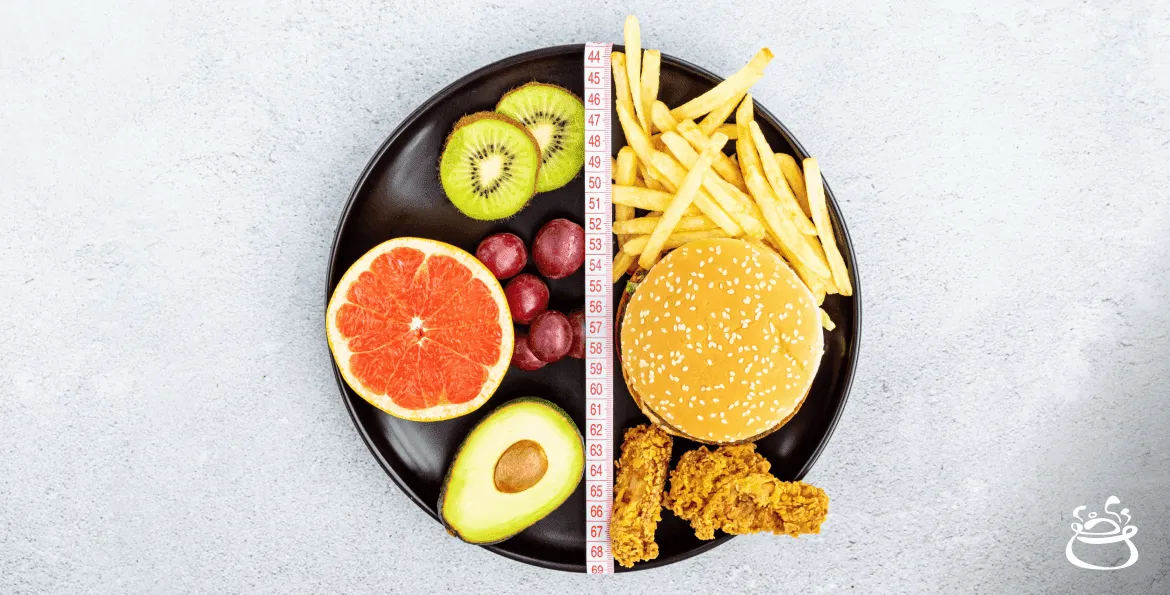

How to Transition Away from Processed Foods Without Overhauling Your Entire Life
TL;DR
- Processed food exists on a spectrum and small, strategic swaps consistently produce better long-term results than complete overhauls
- The most evidence-supported benefits of eating more whole foods include improved energy consistency, better digestive function, and reduced intake of added sugars and sodium
- Time and knowledge are the two real barriers, not willpower
- A private chef removes both barriers entirely by sourcing, preparing, and customizing whole food meals around specific dietary needs
- Starting with one meal per day is the most sustainable entry point for busy professionals
Disclaimer: This article provides general nutritional guidance for informational purposes only. It does not constitute medical advice. Anyone managing a specific health condition or considering significant dietary changes should consult a qualified healthcare provider or registered dietitian before making adjustments.
Eating more whole foods is one of the most consistently recommended shifts in nutritional science, and for good reason. The evidence behind it is strong, the benefits are tangible, and the barrier is almost never motivation.
It is time, knowledge, and the friction of making better choices consistently in a busy life. This guide covers where to start, what actually works, and how to make the transition sustainable rather than temporary.
What Counts as Processed Food and What Does Not
Processed food exists on a spectrum rather than as a binary category.
Minimally processed foods include:
- frozen vegetables
- canned legumes
- plain Greek yogurt.
Ultra-processed foods include:
- packaged snacks
- ready meals
- sweetened beverages
The goal is not eliminating all processed food. It is reducing ultra-processed food consumption while increasing the proportion of meals built from whole, minimally processed ingredients. That shift alone produces meaningful improvements in dietary quality without requiring a complete restructure of daily life.
Why is the Transition Worth Making?
Research published in journals including the BMJ and the American Journal of Clinical Nutrition consistently associates higher ultra-processed food intake with increased risk of cardiovascular disease and type 2 diabetes.
Registered dietitians broadly recommend prioritizing whole foods because they deliver more fiber, micronutrients, and satiety per calorie.
Most people who reduce ultra-processed food consumption report:
- More consistent energy across the day rather than the peaks and crashes associated with high-sugar, low-fiber meals
- Improved digestive regularity from increased dietary fiber in whole grains, legumes, and vegetables
- Reduced sodium intake supporting healthy blood pressure over time
- Greater awareness of hunger and fullness signals when meals contain fewer engineered palatability enhancers
These benefits develop gradually. The transition is measured in weeks and months, not days.
Where to Start Without Feeling Overwhelmed
The most common mistake is attempting too much change simultaneously. Incremental change is consistently the most sustainable approach.
| Starting Point | First Step |
| Eating mostly takeout or ready meals | Cook one meal at home per week using whole ingredients |
| Home cooking with packaged sauces | Replace one packaged component per week with a scratch alternative |
| Relying on processed snacks | Swap one daily snack for a whole food alternative |
| Managing specific health conditions | Consult a registered dietitian before making significant changes |
Starting with breakfast tends to produce the fastest visible results. Swapping a sweetened cereal for oats with fruit and nuts, or a packaged bar for eggs with vegetables, represents a meaningful nutritional upgrade with minimal additional effort.
Simple Swaps That Make a Real Difference
These substitutions consistently improve dietary quality without requiring culinary expertise or significant additional time.
- Instead of packaged snacks: Fresh fruit with nut butter, mixed nuts, or raw vegetables with hummus
- Instead of bottled sauces: Olive oil, lemon, garlic, and fresh herbs as a base for most savory dishes
- Instead of sweetened yogurt: Plain Greek yogurt with fresh fruit and a small amount of honey
- Instead of ready meals: Batch-cooked grains, roasted vegetables, and a protein source prepared once and used across several meals
The underlying principle is adding nutritional density rather than restricting enjoyment. Most people find whole food versions of familiar meals more satisfying once the palate adjusts, which typically takes two to four weeks of consistent change.
Why Time and Knowledge Are the Real Barriers
Most people who want to eat better are not failing because of willpower. They are failing because planning, sourcing, preparing, and cleaning up a nutritionally balanced whole food meal requires one to three hours per meal.
For busy professionals managing careers and families, that time does not exist consistently.
The knowledge barrier compounds this. Understanding which whole food combinations deliver complete nutrition, how to cook legumes correctly, and how to build meals that genuinely satisfy takes time to develop. Most people lack this foundation and default to processed food not by necessity of preference but of circumstance.
How a Private Chef Supports a Whole Foods Lifestyle
A private chef removes both barriers simultaneously. Every meal is built from scratch using fresh, minimally processed ingredients. Everything else is handled before the chef arrives and before the chef leaves.
What that delivers:
- Custom Whole Food Menus: Every dish tailored to the client’s preferences, health goals, and dietary requirements
- Dietary Accommodation: Low-sodium, high-fiber, diabetic-friendly, or allergen-free preparation built in from the start
- Ingredient Sourcing: Every ingredient selected, sourced, and arrived with the chef
- Meal Variety: A rotating menu that prevents the monotony that causes most dietary transitions to fail
- Complete Cleanup: Kitchen fully restored before the chef leaves
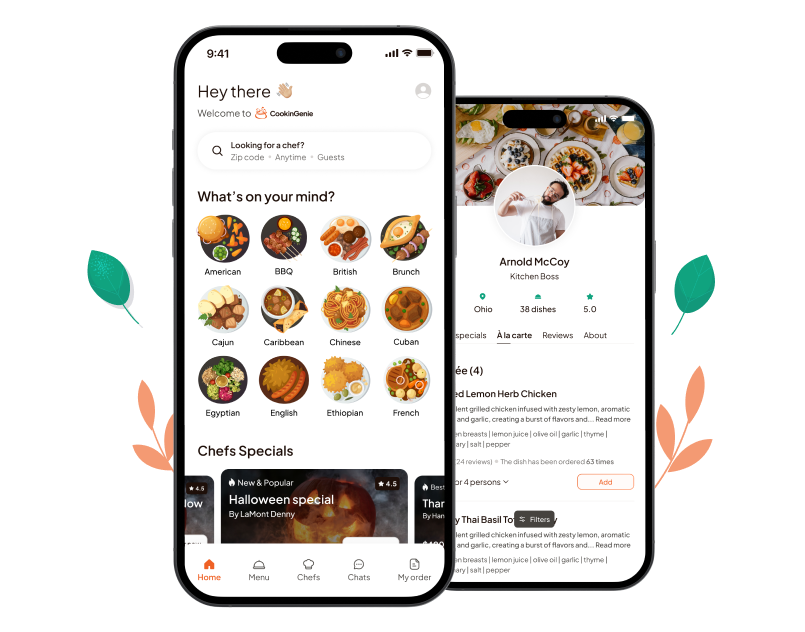
For busy professionals, this is the most efficient solution to the barriers that derail most dietary transitions before they are established as habits. You can hire private chefs from platforms like CookinGenie, Take a chef, and Yhangry to streamline your health journey.
Making the Transition Last
Transitioning away from processed foods works best when treated as a gradual recalibration rather than a sudden restriction.
The goal is consistency over time, building a relationship with food that prioritizes nourishment without eliminating enjoyment or demanding time that does not exist.
The people who sustain this longest are those who removed the friction early, whether through batch cooking, keeping whole food snacks accessible, or having meals prepared professionally.
Frequently Asked Questions
Start with one meal per day. Breakfast is the most accessible entry point. Swapping a packaged breakfast for oats with fruit or eggs with vegetables delivers a meaningful nutritional upgrade with minimal effort.
Research associates reduced ultra-processed food intake with more consistent energy, improved digestion, reduced sodium intake, and lower risk of cardiovascular disease and type 2 diabetes over time.
Most people notice changes in energy and digestion within two to four weeks. Full palate adjustment typically takes four to eight weeks of consistent dietary change.
A private chef sources all ingredients, prepares fully customized whole food meals around the client’s dietary needs, and handles complete cleanup, removing the time and knowledge barriers that cause most transitions to fail.
No. Minimally processed foods like frozen vegetables and canned legumes retain most of their nutritional value. The most evidence-supported approach is reducing ultra-processed food rather than eliminating all processing from the diet.








 Home
Home
 Chefs
Chefs
 Chats
Chats
 My Order