


 Settings
 Gift Card
 Blog
Blog Locate Us
 Partnership

How to Host the Perfect Friendsgiving? Traditions, Tips, and Modern Ideas
TL;DR
- Friendsgiving is a chosen-family celebration held around Thanksgiving with no fixed date or rules
- It started around 2010 and has grown into one of the most anticipated social traditions of the holiday season
- There are four distinct ways to host it depending on your group size and vibe
- A private chef is the most effortless way to elevate the evening for everyone including the host
Friendsgiving exists because many people build lives far from where they grew up, and holidays increasingly reflect the people who show up consistently rather than tradition alone. It is an informal celebration held among friends around the Thanksgiving period, built around chosen family.
No obligations, no fixed menu, no rules. Just the people who matter and a table worth gathering around.
The term began appearing in social media conversations around 2010 to 2011, grew steadily through 2012, and has since become one of the most widely celebrated informal holidays in the United States.
The television series Friends is frequently cited as a cultural touchstone, with several Thanksgiving episodes depicting characters choosing to spend the holiday together rather than traveling home.
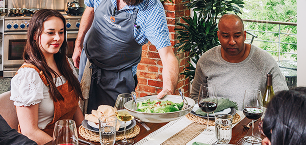
When Is Friendsgiving Celebrated?
Friendsgiving has no fixed date. Most gatherings happen in one of three windows:
- The Wednesday before Thanksgiving for those traveling home on the day itself
- The Saturday after Thanksgiving when schedules are more flexible
- Any evening during Thanksgiving week that works for the full group
This flexibility makes it particularly well suited to friend groups spread across different cities or with varying family commitments over the holiday weekend.
Choose Your Friendsgiving Celebration Style
| Style | Best For | What It Involves |
| Casual potluck | Large groups, 10 or more guests | Each guest brings one dish, cost and effort distributed |
| Private chef dinner | Intimate gatherings, 6 to 10 guests | Chef handles everything, host stays fully present |
| Cocktail and small plates | Apartment hosting, limited kitchen | Passed bites, curated drinks, no formal seating |
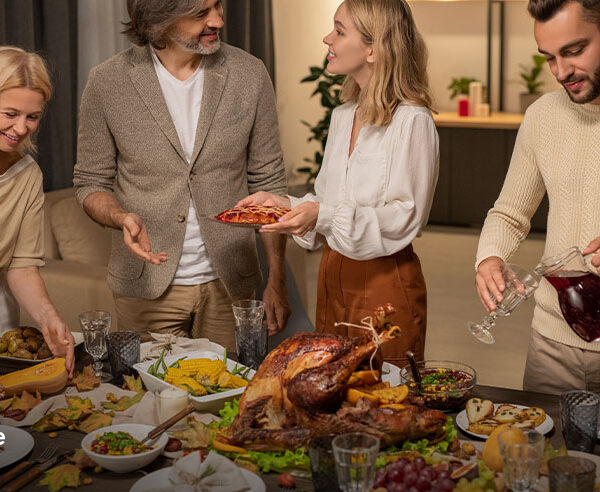
| Traditional Thanksgiving style | Nostalgic groups who want the full format | Full turkey spread, formal table, all the classics |
How to Host a Friendsgiving Worth Remembering
Here are four ideas worth considering, each one suited to a different type of gathering.
Potluck Style
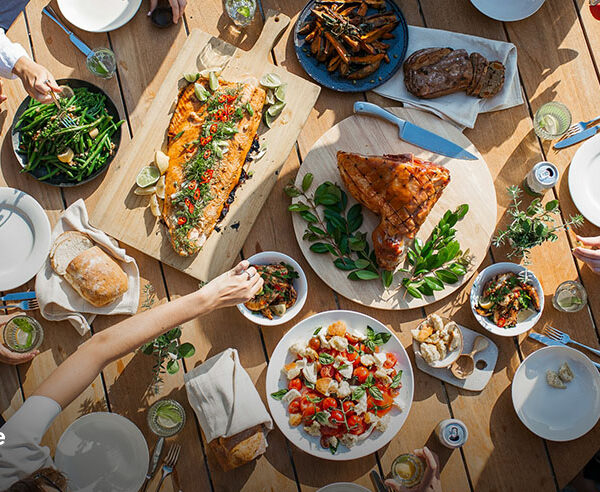
A potluck Friendsgiving is the most common format and the easiest to organize for larger groups. Each guest brings one dish, distributing both the cost and the effort so no single person carries the evening.
- Best for: Friend groups of ten or more where everyone wants to contribute something personal to the table
Gratitude Ritual Before the Meal
Before eating, each guest shares one thing they are grateful for about someone else in the room. It is a small moment that consistently changes the energy of the evening in a way no decoration or playlist can.
- Best for: Close friend groups who want the celebration to feel intentional and genuinely connected
Wine or Cocktail Pairing Evening
Building the evening around a curated drink pairing alongside the meal adds a considered, celebratory quality that distinguishes Friendsgiving from a standard dinner party. A seasonal signature cocktail named after the group makes it a tradition worth repeating.
- Best for: Groups who enjoy the ritual of wine or craft cocktails as a genuine part of the dining experience
Cocktail and Small Plates Style
For smaller apartments or groups who prefer a relaxed format, a cocktail and small plates evening removes the pressure of a formal seated dinner entirely. Passed bites, a few stations, and a curated drinks list create an atmosphere that feels festive without requiring a full kitchen operation.
- Best for: Apartment hosts or groups where mingling matters more than a formal sit-down meal
What to Serve at a Friendsgiving
The Friendsgiving table draws from Thanksgiving classics while allowing more creative flexibility. If you only focus on three things, make them the turkey, one standout side that surprises guests, and a dessert served warm.
- Turkey: Spatchcocking or dry brining produces noticeably better results than a standard roast
- Mashed potatoes: Roasted garlic, parmesan, or crème fraîche elevate a familiar dish without changing its character
- Stuffing: Fresh herbs, toasted nuts, and dried fruit make a significant difference over a basic bread version
- Pumpkin pie: Properly spiced with a butter crust, served slightly warm, one of the most crowd-pleasing ways to close the meal
Hire a Private Chef for Your Friendsgiving
For groups who want the most elevated and effortless version of the evening, a private chef is the clearest answer.
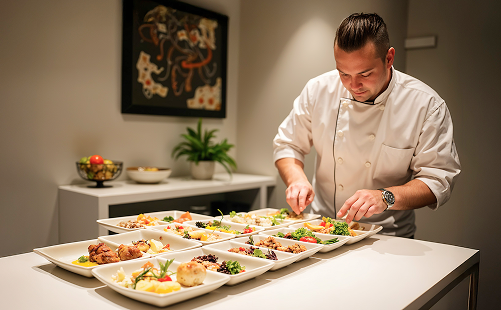
A chef arrives with every ingredient sourced, builds a fully custom menu around the group’s preferences and dietary needs, manages service throughout the meal, and handles complete cleanup before leaving.
What a private chef brings to your Friendsgiving table:
- Custom Menu Design: Every dish built around the group’s preferences, dietary needs, and the occasion
- Fresh Ingredient Sourcing: Everything arrives with the chef, nothing needs to be bought or prepped in advance
- Dietary Accommodation: Vegan, gluten-free, dairy-free, and allergy-specific needs handled from the first course
- Multi-Course Experience: Appetizers through dessert executed with fine dining standards in the home kitchen
- Full Cleanup: Kitchen restored completely before the chef leaves so the evening ends at the table
A Friendsgiving Worth Showing Up For
The best Friendsgiving is the one that feels like it was planned specifically for the people in the room.
Whether that is a potluck where everyone brings their signature dish, a cocktail evening in a small apartment, or a private chef dinner where no one has to think about the food, the format matters far less than the intention behind it. Show up, stay present, and let the table do the rest.
Questions People Ask About Friendsgiving
Friendsgiving centers on chosen family rather than biological family, with no fixed date, no traditional format, and no obligation. Thanksgiving follows a fixed annual date and typically centers on family tradition. Friendsgiving is built around the friends who function as family regardless of blood relation.
Friendsgiving has no fixed date. It is most commonly held on the Wednesday before Thanksgiving, the Saturday after, or any evening during Thanksgiving week that works for the group.
The Friendsgiving table draws from Thanksgiving classics including turkey, mashed potatoes, stuffing, and pumpkin pie. Most hosts focus on getting three things right: the turkey, one standout side, and a warm dessert. Everything else supports those anchors.
Friendsgiving gatherings typically range from six to twenty guests. Intimate dinners of six to ten suit a private chef or seated dinner format. Larger gatherings of fifteen or more suit a potluck or cocktail party format where cost and effort are shared.
Hiring a private chef is the most effective solution. A chef arrives with all ingredients, prepares a fully custom menu, manages service throughout the meal, and handles complete cleanup before leaving so the host stays present as a guest all evening.




 Home
Home
 Chefs
Chefs
 Chats
Chats
 My Order